The latest news, trends, analysis, interviews and podcasts from the global food and beverage industry




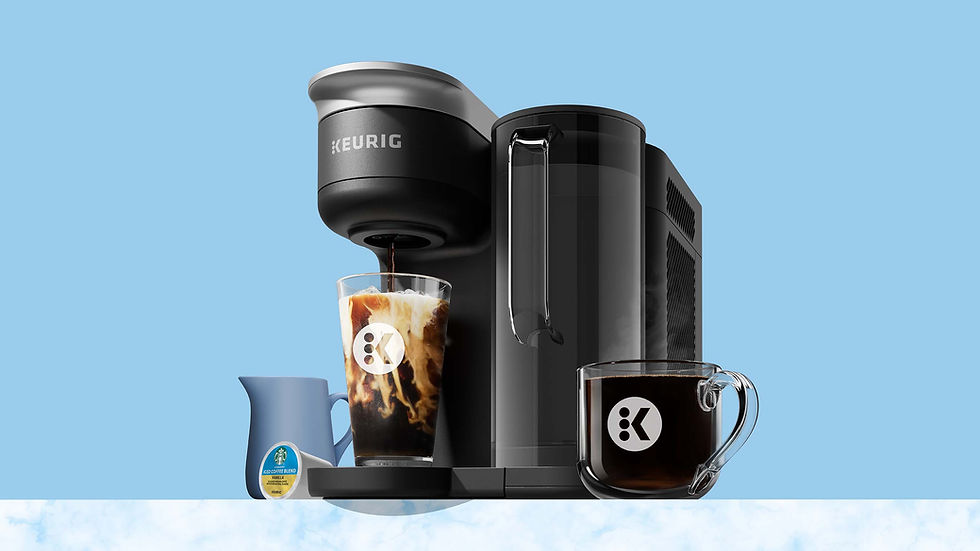
Keurig is set to face a jury trial over allegations of anticompetitive practices and false advertising, following a US federal court ruling in a legal dispute brought by Rogers Family Coffee Co more than a decade ago.
In a ruling issued on Friday, 18 September and subsequently unsealed, US District Judge Vernon S Broderick of the Southern District of New York denied Keurig's request to dismiss several key claims before trial.
The decision allows Rogers, which owns San Francisco Bay Coffee, to pursue allegations that Keurig used its market position to restrict competition in the single-serve coffee market.
The case, which dates back to 2014, centres on claims that Keurig entered into restrictive agreements with coffee roasters, suppliers and distributors that prevented them from working with competing coffee pod manufacturers.
Rogers alleges that these practices helped Keurig maintain its dominant position in the market, limited consumer choice and kept prices artificially high.
According to the company, Keurig held a market share exceeding 85% during the period in question. Economists cited in the release estimated approximately $390 million in antitrust damages, before potential trebling, alongside around $109 million in disgorgement relating to false advertising claims through mid-2025.
The court found sufficient disputed evidence for a jury to consider whether Keurig's agreements with industry partners restricted competition and contributed to its alleged monopoly power.
The ruling also allows claims concerning the alleged tying of Keurig coffee brewers to its own coffee pods to proceed to trial.
Separately, the court found that certain statements made by Keurig about the safety, performance and compatibility of competing coffee pods were literally false. These included claims suggesting that third-party pods could damage Keurig 2.0 brewers or pose safety risks.
However, the court also dismissed several aspects of the case, including claims relating to Keurig's retail agreements, the redesign of its 2.0 brewer and earlier patent litigation.
In a statement to FoodBev Media, a Keurig spokesperson said: "We're pleased with the overall decision as the court’s ruling both validates several important portions of our defense and dismisses many of the plaintiffs’ theories, including all antitrust claims based on the 2.0 brewer and Keurig’s agreements with its retail partners".
"We have maintained throughout this process that consumers had a wide variety of choices for making coffee at home, both within the Keurig system and beyond. We continue to vigorously defend our position as this matter proceeds.”
Commenting on the ruling, Lisa Smoot, Rogers' CEO, said: "This is a huge win for us. Our family company has been pursuing justice for over a decade. We remain committed to seeing this through to a just decision".
The company originally filed its lawsuit in California in 2014, before the case became part of consolidated proceedings in New York.
In a separate ruling in July 2025, the court sanctioned Keurig over failures to preserve evidence and delays in producing transactional data.
Following the latest decision, Rogers has requested that the case be returned to California for trial.
The ruling does not constitute a final finding that Keurig violated antitrust law, with the remaining disputed claims still to be determined at trial.


Related posts