The latest news, trends, analysis, interviews and podcasts from the global food and beverage industry


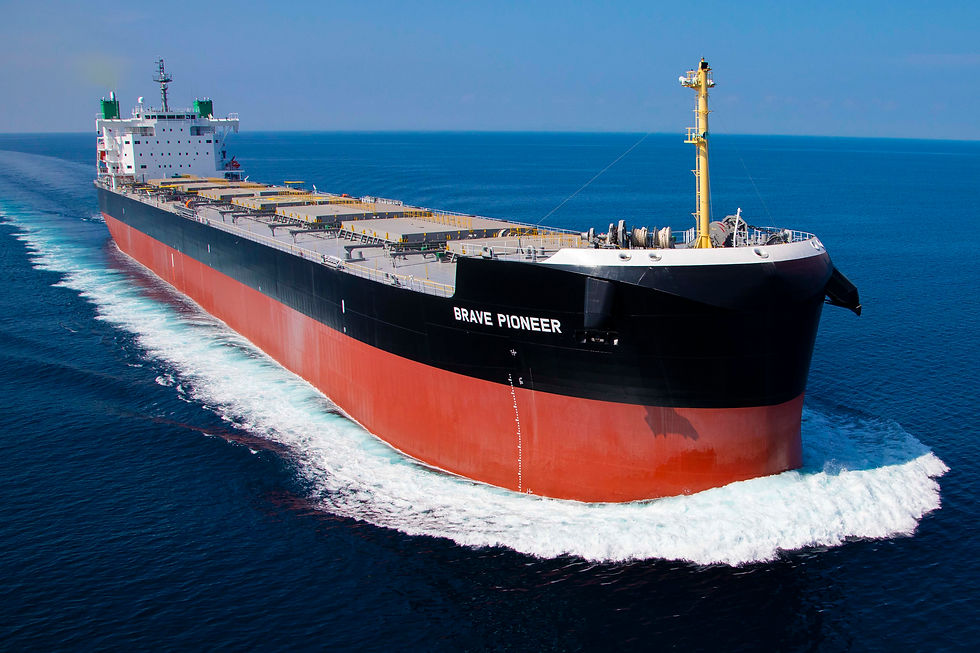
Cargill has launched the maiden voyage of Brave Pioneer, the first of five green methanol dual-fuel dry bulk vessels chartered to reduce carbon emissions in the company’s ocean supply chain.
Built by Tsuneishi Shipbuilding and owned by Mitsui & Co, Brave Pioneer can operate on both conventional marine fuels and green methanol, a lower-carbon alternative projected to cut CO2 emissions by up to 70% compared with standard fuel.
The vessel departed the Philippines, will bunker methanol in Singapore, and is scheduled to sail to Western Australia before continuing to Europe.
The deployment forms part of Cargill’s broader decarbonisation strategy, which combines alternative fuels, wind-assisted propulsion, energy-efficiency retrofits and voyage optimisation.
During the maiden voyage, the company plans operational trials to evaluate methanol bunkering readiness, track environmental performance through carbon accounting systems, and assess commercial appetite for low-carbon freight services.
Jan Dieleman, president of Cargill’s ocean transportation business, commented: “Decarbonising global shipping requires a mix of technologies and the willingness to take bold steps before the entire ecosystem is ready".
He continued: “Technologies like green methanol come with uncertainty, but as an industry leader, we have a responsibility to test innovations, share insights, and help shape the systems that will enable wider adoption.”
Cargill’s investment sends a market signal to the maritime and food supply chain sectors, highlighting growing interest from commodity traders and food manufacturers in practical, lower-carbon freight solutions.
The company said its new fleet is designed for flexibility, allowing vessels to operate efficiently on conventional fuel today while transitioning to greener fuels as infrastructure and supply expand.


Related posts


