The latest news, trends, analysis, interviews and podcasts from the global food and beverage industry


From street food stalls to frozen aisle favourites, a crispy batter, breading or crumb can make or break a meal. But as shoppers demand cleaner labels, better nutrition and bolder flavours, the humble coating is getting a serious glow-up. FoodBev meets the innovators transforming starch science, pulse power and coating creativity into the future of crunch.
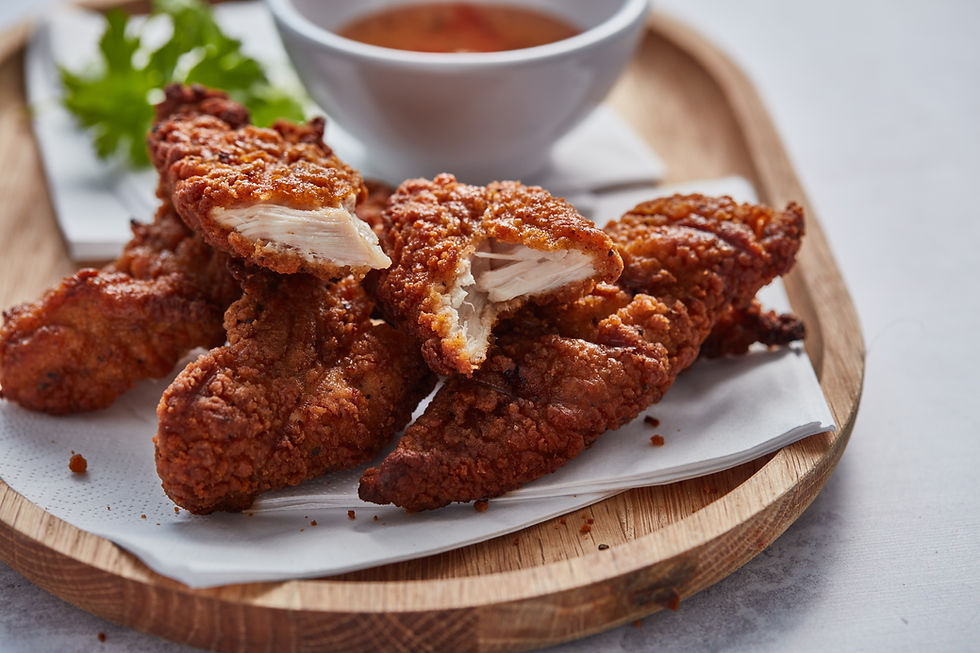
The golden shell on fried chicken, the delicate tempura around vegetables or the crunchy breadcrumb on a fish fillet . . . coatings are the unsung heroes of the food world. They lock in moisture, add texture, boost flavour and create that all-important first bite experience.
Behind the scenes, batters, breadings and crumbs are crafted through a careful blend of ingredients and processing know-how – a balance of art and science designed to excite the senses.
From extruded crumbs to protein-packed pulse layers, coating specialists are taking these familiar favourites and reinventing them with clean label innovation, delivering greater transparency, better nutrition and bold global flavours.

Performance pressures
“Crispiness is a non-negotiable for today’s consumers,” said Matthieu Bertoux, marketing director at Ingredion. In the company’s proprietary quick-serve restaurant study, he noted: “Fries and chicken that aren’t crispy enough – or don’t stay crispy in transit – are seen as more disappointing than even freshness or taste inconsistencies”.
He continued: “Consumers expect their fried chicken to deliver the same satisfying crunch in a takeaway box as it would fresh from the kitchen. Every bite needs to hit those multisensory notes, or it risks leaving them disappointed.”
Clean label developers face an even tougher challenge: creating the perfect crunch without artificial additives or modified ingredients.
“One of the main challenges is eliminating synthetic or processed ingredients like modified starches, gums and emulsifiers, which have traditionally played a big role in crispiness and texture retention,” explained Arjan Geerlings, new business development manager at Ebro Ingredients. “On top of that, ensuring coatings stay crunchy during holding or reheating – especially in frozen or ready-to-eat formats – is a complex task.”
Kate Lefroy, product innovation scientist at Ulrick & Short, flagged cooking variability as another major hurdle. “Keeping a coated product crispy isn’t always straightforward – especially when cooked in advance for delivery or reheated at home. Consistency can be hard to guarantee .”

Replacing modified systems – cleanly
At the core of the challenge is replacing the functionality of modified starches. “Traditional adhesion starches play a vital role – forming vapour-permeable films and enabling higher pickup levels that boost crispiness in the final product,” explained Birgit Wessner, product manager at Crespel & Deiters. “Modified starches, in particular, are often relied on for strong binding and a stable, crunchy coating.”
To deliver the same results cleanly, Loryma – a Crespel & Deiters brand – has created Lory Starch Saphir pure. “This native wheat starch has no E number yet matches the performance of modified starches,” Wessner noted. “Its vapour-permeable film allows steam to escape efficiently, creating a crunchy, bubble-free coating that adheres well to meat, fish or plant-based alternatives.”
At Ebro Ingredients, rice flour is the hero of its clean label coating systems. “We use gluten-free rice flours – especially pre-cooked or functional types – for their natural crisping and film-forming properties,” said Geerlings. “By fine-tuning particle size and moisture management, we produce clean label blends that perform on par with conventional systems.”
Ingredion is also finding success with combinations of native starches and flours. “We tackle these challenges with solutions like our Novation Indulge starches and rice-based products, which can shift texture from crunchy to crispy while maintaining holding time – perfect for chicken,” said Bertoux. “For an extra-crispy bite, tapioca and potato-based starches also work especially well.”
Ulrick & Short takes a different route, focusing on crop optimisation and gentle processing. By choosing the right botanical source and applying targeted physical treatments, the company says it can boost the adhesion and film-forming abilities of native starches and flours. “By carefully matching crop source with processing technique, we can enhance adhesion and ensure product uniformity,” added Lefroy.

Pulse power
With demand rising for gluten-free, plant-forward and nutritionally enhanced coatings, suppliers are increasingly turning to pulses. “Pulse flours – such as pea, chickpea, lentil and faba bean – are valued for their protein content and functional benefits,” Geerlings explained. “They help improve adhesion and deliver a satisfying crunch.”
Ingredion’s Bertoux added that pulse-based ingredients are gaining traction, as plant proteins can provide similar functionality to conventional flours and modified starches – while offering a cleaner label. “For example, faba bean-based formulations have been used to replace wheat flour, corn flour and even caramel colouring in fried products like French fries,” he pointed out.
Ulrick & Short is also exploring both the nutritional and technical advantages of pulses. “Partially replacing wheat flour with a pulse flour is a great way to enhance crunch and texture, while improving nutritional value,” said Lefroy. “Blends of pulse and rice flours can also be optimised to create gluten-free options.”

Sensory appeal
Texture, appearance and flavour are central to the consumer experience of coated products, and manufacturers are responding with ingredient systems that combine indulgence and innovation.
“Ingredient choices in batters and breadings are crucial for the final product’s overall sensory appeal” said Crespel & Deiters’ Wessner. “Adhesion starch determines whether the coating sticks and lets steam escape – both vital for crispiness and coating integrity.”
Geerlings of Ebro Ingredients noted that base flour, particle size and hydration all affect texture and oil absorption. “Rice flour gives a light, crispy bite, ideal for tempura or air-fried applications,” he said. “Pulse flours add structure and protein, but need careful balance to avoid excessive hardness.”
Crumb design is another area of innovation, particularly in competitive categories like frozen snacks and meat alternatives. “We develop extruded crumbs in various shapes and sizes to deliver a distinct, intense crunch,” added Wessner. “This helps manufacturers differentiate products in both texture and appearance.”
Global flavour trends are also reshaping coatings. “There’s strong demand for flavours inspired by Korean, Indian and Latin American cuisines,” noted Geerlings. “We’re also seeing interest in gourmet and artisanal styles, including coatings with herbs, spices and seeds.”
Ulrick & Short’s Lefroy echoed this sentiment, adding: “Consumers are becoming more adventurous and experimental in their choices, and this is filtering into batters and coatings. Bold profiles like katsu and Korean spicy chicken, as well as crispy Thai fishcakes, are becoming firm household favourites.”

Coating the future
As clean labels become a standard expectation across frozen, retail and foodservice formats, the coatings category is entering a new phase of innovation. Ingredient systems must now deliver more than simplified labels – they need to perform across different cooking methods, support nutrition
claims and remain sensorially appealing.
“Future development will emphasise multifunctional, minimal-ingredient systems that reduce the need for additives,” Geerlings told FoodBev. “We anticipate growth in protein-enriched coatings for plant-based foods and improvements in baked or air-fried texture performance.”
Lefroy highlighted health as a core driver: “Protein fortification has become a major trend and is already impacting the batters and coatings sector. There is also a growing focus on fibre intake, prompting the industry to develop more products with fibre claims.”
As functionality, health and clean label demands converge, the next generation of coatings will be defined by how well they meet performance needs while satisfying consumer expectations – all without losing their signature crunch.