The latest news, trends, analysis, interviews and podcasts from the global food and beverage industry

_gif.gif)
.jpg)
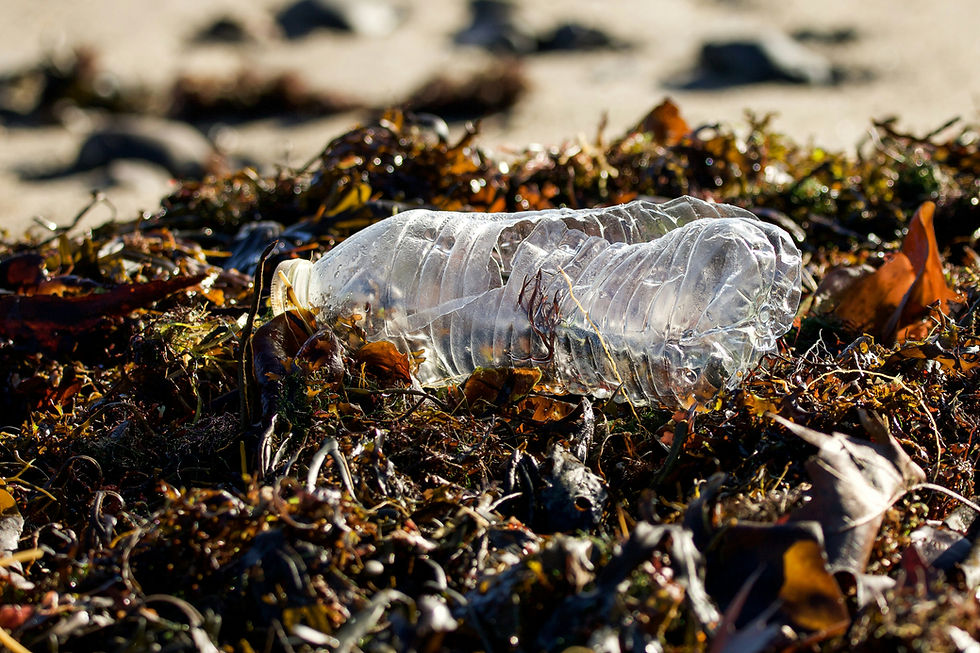
The European Federation of Bottled Waters (EFBW) has called on European authorities to enhance the performance of collection and sorting systems for beverage containers, in order to ensure the availability of high-quality recycled PET (rPET) in the EU.
Last year, EFBW members committed to collecting 90% of all PET bottles by 2025 as an EU average, ensuring that discarded plastic containers can be converted into rPET.
The EU also approved the implementation of the Single Use Plastics Directive in May, which set a 90% separate collection target for plastic beverage bottles by 2029.
However, according to the EFBW, the current collection level of PET beverage bottles still varies substantially across the EU despite efforts to establish and finance packaging recovery organisations.
If current systems do not improve, the federation warns that this could make it more difficult for bottled water manufacturers to incorporate recycled rPET into their bottles.
To include recycled PET in their packaging, bottled water producers require access to a consistent supply of high-quality, food contact, recycled material, and thus the collection of PET bottles is a high priority of plastic bottle manufacturers.
The EFBW has now endorsed the widespread adoption of deposit return schemes by European authorities as a way of boosting PET recycling rates, claiming that deposit return schemes "have the benefit of yielding very high return rates in a separate 'clean' stream for PET beverage bottles."
Another way forward suggested by the EFBW is the improvement of existing curbside collection systems, claiming that this could also significantly boost PET recycling rates.
Jean-Pierre Deffis, EFBW president said: “We call on all value chain actors to partner with us on this journey towards greater circularity of PET in Europe."
Deffis recently spoke at the Food & Beverage Innovation Forum in Hangzhou, China, stating that the bottled water industry has "very big challenges in terms of circular economy and especially about packaging. We are under criticism about the packaging because we are using a lot of plastic bottles.”
He added: “We think the best solution is not to get rid of the bottled water but get rid of poor results in terms of collection. Because if our bottles are not well-collected then we can’t recycle the bottles and we have a lot of waste. The big debate is how to improve these collection rates.”