The latest news, trends, analysis, interviews and podcasts from the global food and beverage industry




The French government has accused Iran of being behind the large-scale cyber attacks against a number of retailers’ fridge systems in France last month, claims that Iran has denied.
A statement from France’s Ministry for Europe and Foreign Affairs attributed the attacks to Shahid Kaveh, a cyber unit affiliated with the Electronic Warfare and Cyber Defence Organization of the Islamic Revolutionary Guard Corps.
Calling the attacks ‘inexcusable and contrary to international law,’ the French government said it would ‘make use of all the means of response at its disposal,’ including within the EU and alongside European and international partners, to ‘anticipate, prevent, deter and respond to destabilising and destructive actions against it in cyber space.’
The statement adds that France will summon the Ambassador of the Islamic Republic of Iran in France to condemn the attacks, and will propose further sanctions against Iran in consultation with its European partners.
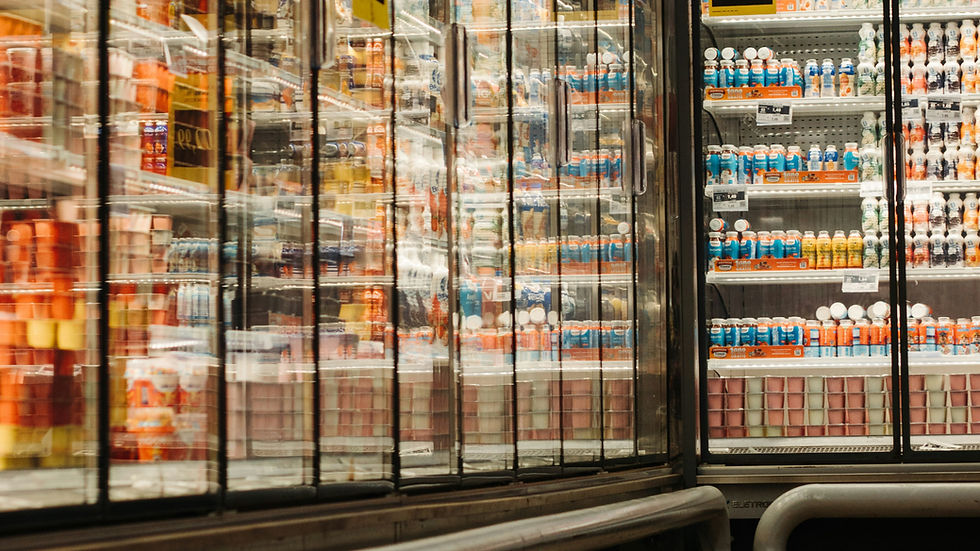
The attacks, which took place overnight from 11-12 October, saw the refrigeration systems of more than 700 retail sites across the country hacked, with the fridges’ software remotely controlled and heated up to 50°C overnight. Retail chains including Intermarché, Carrefour and E.Leclerc were reportedly impacted.
This resulted in significant food spoilage and waste and substantial financial losses for businesses, with the French government estimating the spoiled foodstuffs to be worth tens of millions of euros.
In a statement released today, Iran’s Ministry of Foreign Affairs has rejected the claims, calling them ‘baseless and biased’.
It claimed that France’s allegations aim to ‘divert public attention’ away from the French government’s policies and what it refers to as ‘failures in governance,’ also commenting on ‘negligence in addressing weaknesses’ in the company’s administrative systems following the remote attack on the fridges.
France did not share much detail on how it concluded that Iran was behind the attacks, simply stating that the conclusion followed investigation by government agencies.
Further attacks on fridge systems across the food supply chain in Europe were reported last week, this time across Sweden, Belgium, Luxembourg, Ireland and Estonia and the UK.
Among the second wave of attacks, some European supermarket chains, including Carrefour, Coop and Delhaize, reported similar issues with their fridge systems being heated up across several countries.
Reporting by the BBC also said the UK’s meat supply chain experienced attacks, with cold storage impacted due to ‘vulnerable technology’ being exploited.