The latest news, trends, analysis, interviews and podcasts from the global food and beverage industry


Meatly has raised £10.4 million in Series A funding to support the construction of what it says will become Europe’s largest cultivated meat production facility, marking a major scale-up moment for the continent’s cell-based protein sector.
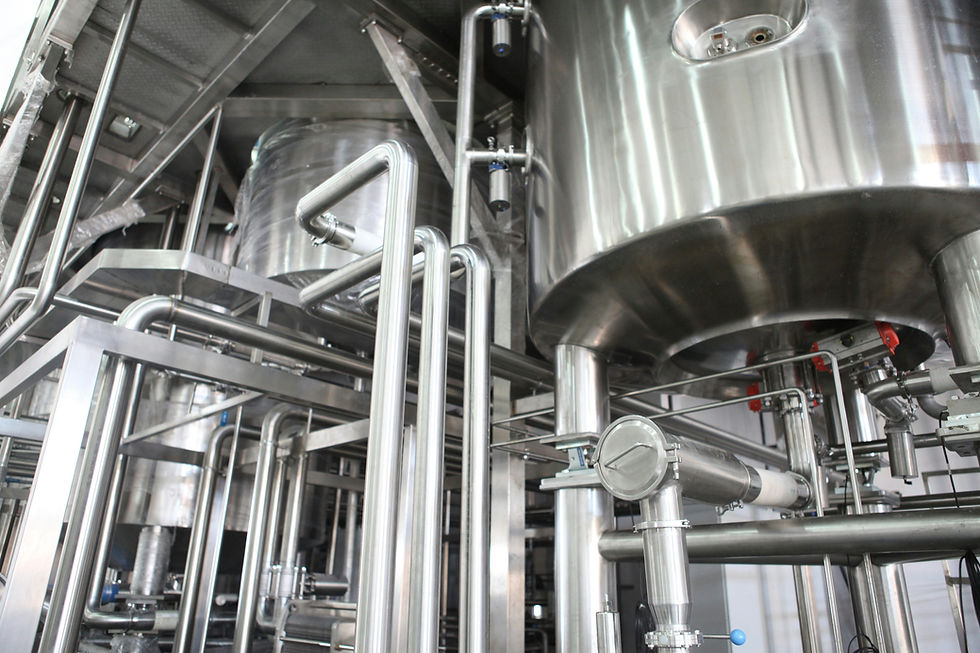
The London-based company will use the investment to build a 20,000-litre bioreactor facility in the UK capital. Fit-out is set to begin immediately, with initial product output expected in 2027.
Although Meatly’s current commercial focus is cultivated meat for pet food, the company said the development represents a significant milestone for Europe’s wider cell-based food industry, where progress has largely remained at pilot or research scale.
Founded in 2022, Meatly has positioned itself as one of the first European companies to move cultivated meat from laboratory development into early commercialisation. In 2024, it became the first company in Europe to receive regulatory approval for cultivated meat, later launching a cultivated pet food product in 2025.

Alongside this, the company has focused heavily on cost reduction in core production inputs. It has previously reported reducing the cost of its chemically defined, protein-free growth medium to £0.22 per litre and lowering bioreactor costs by around tenfold, both key barriers to scaling cultivated meat production.
The Series A round includes new backing from Oyster Bay Venture Capital, Clean Growth Fund and JamJar Investments, alongside continued support from founding investors Agronomics and Pets at Home, bringing total funding to £17.4 million.
Investors said the facility build-out reflects growing confidence in the ability of cultivated meat to move from experimental production toward industrial scale manufacturing, even as initial commercial applications remain in the pet food segment rather than human consumption.
Meatly said the new site will be used to demonstrate continuous, scalable production of its cultivated chicken ingredients for the UK pet food market, with the longer-term aim of proving the commercial viability of its platform technology.