The latest news, trends, analysis, interviews and podcasts from the global food and beverage industry





Protein is no longer the domain of shakes and supplement aisles. Consumers are now actively choosing meals around protein and macro goals, and they're willing to pay for convenience that delivers nutritionally. James Laithwaite, co-founder and COO of FuelHub, explores what this shift means for the ready meal category and the next stage of the protein market.
Protein has made one of the more significant category crossovers of the past decade. What was once largely associated with gym-goers, shakes and powders is now actively influencing how people think about breakfast, lunch and dinner, and the businesses paying closest attention are already repositioning accordingly.
The direction of travel is clear. Consumers are increasingly approaching protein through the meal itself, treating it as a consideration when deciding what to eat rather than something to add afterwards. There is still a place for shakes, powders and specialist products, particularly around exercise and immediate convenience, but they're no longer the primary lens through which consumers think about their nutritional goals. People want the food in front of them to do more of the work.
This is one of the most consequential developments in the category right now. It's showing up in what people order, what they're willing to pay and how they talk about their food choices. The protein conversation has moved out of the supplement aisle and into everyday eating.
This is part of a broader shift towards greater awareness of what a meal actually provides. Protein is the obvious starting point because it's relatively easy to understand and quantify, but consumers are also becoming more conscious of calories, carbohydrates, fats and overall nutritional balance. The question is how to create food that makes nutritional sense as a complete eating occasion.
How consumer expectations are changing
There is an important distinction between adding protein to a product and delivering it through food, and it's one consumers are becoming increasingly attuned to. People are thinking about protein not as something to supplement a meal but as something a meal should already provide.
That doesn't mean consumers have rejected processed or fortified products outright. Convenience remains one of the most powerful drivers of food choice, and there will always be occasions where a bar, drink or shake makes sense. What it does suggest is that the protein opportunity is becoming broader and, in some ways, more demanding. Consumers want the speed and simplicity of a prepared meal while still expecting it to resemble food they'd choose to eat on any other day.
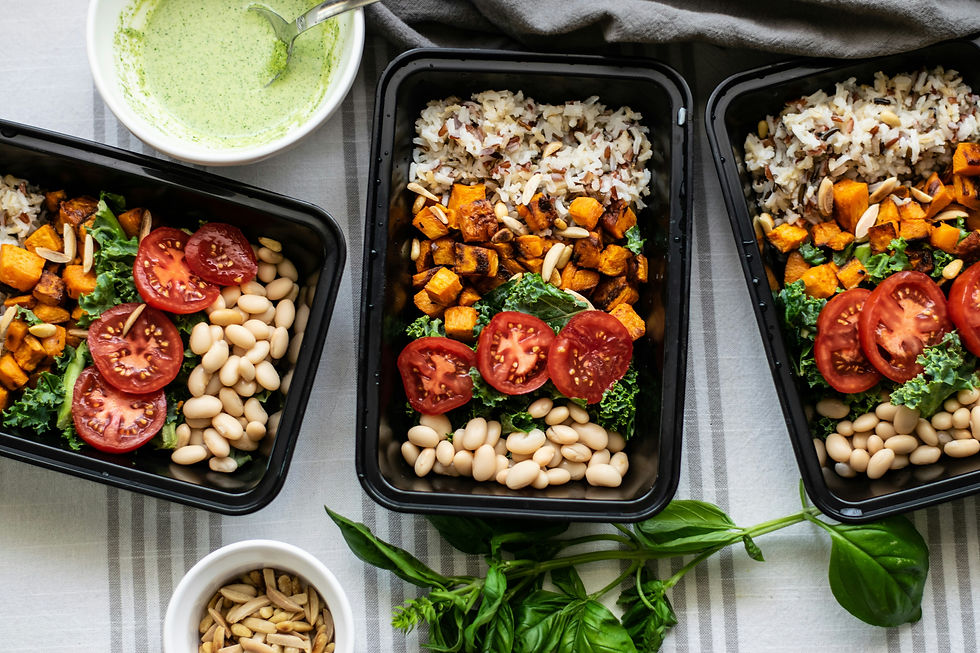
This is where the ready meal category has a genuinely interesting role to play. A meal can deliver protein alongside vegetables, carbohydrates and fats, while also providing the taste, texture and familiarity consumers expect from everyday food. The strongest propositions are unlikely to be the ones that simply maximise the gram count on the front of pack. They'll be the products that make protein one part of a more complete nutritional story.

Convenience is being redefined
Convenience food has traditionally been built around a single promise: it saves time. That remains important, but the definition of what counts as genuinely convenient is shifting. Consumers are
increasingly looking for products that save time without creating a compromise elsewhere in their diet.
For the everyday high performer managing work, training and family commitments, a meal that can be prepared quickly and provides a useful amount of protein carries a different kind of value from one that is simply quick. It removes several decisions at once: what to eat, how much to eat, whether the meal contains enough protein and whether it fits into broader nutritional goals for the day. That reduction in friction is, in itself, part of the product.
This is one reason we've seen such a strong connection between meal preparation and macro awareness. Consumers who track their nutrition are often not looking for another product to fit into their routine. They're looking for food that makes the routine easier to sustain. For brands, that places greater pressure on product development, because protein can't be treated as an isolated formulation exercise. Increasing it affects taste, texture, satiety, cost and the overall balance of a meal.
What the next stage of the protein market looks like
The protein category will continue to expand, but the next stage is likely to look different from the one we've just been through. Significant innovation around putting protein into products that traditionally wouldn't have contained it has made protein more visible and accessible, but it has also made the market considerably more crowded.
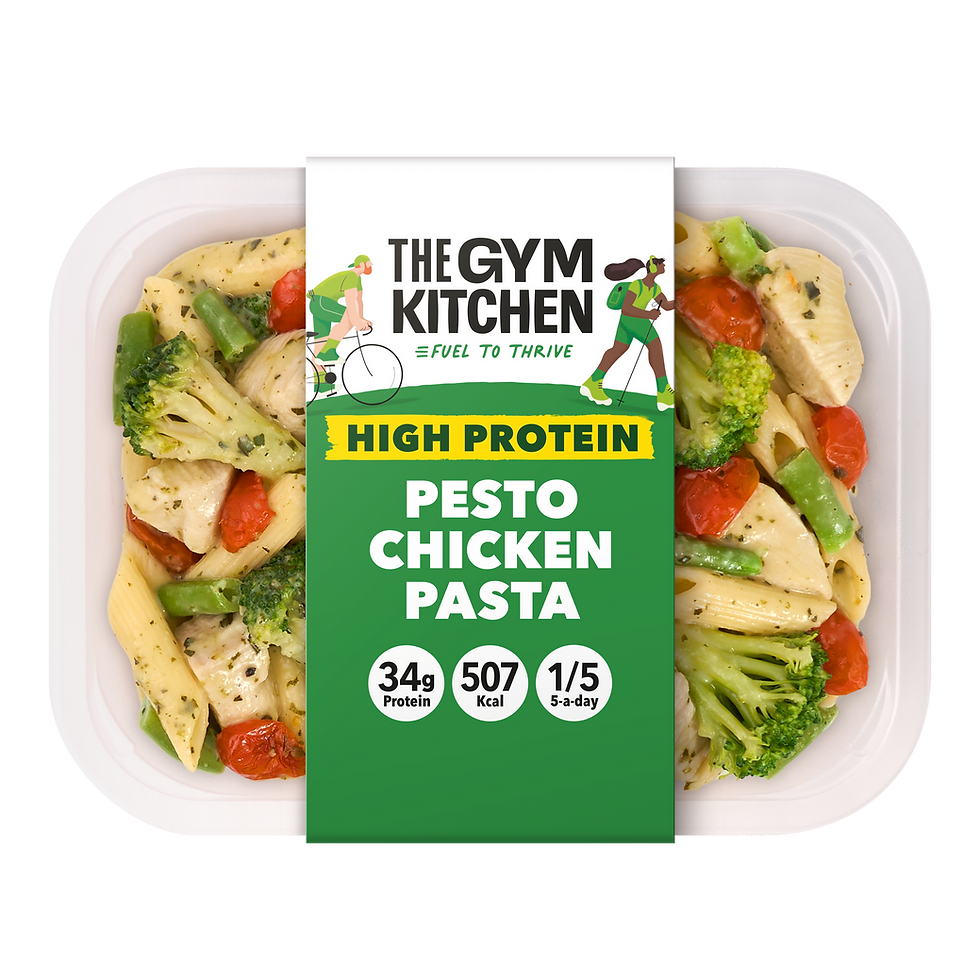
As protein becomes a more established part of everyday food, consumers will have less reason to choose a product simply because it leads with a "high protein" claim. The baseline expectation is shifting and food is increasingly expected to deliver nutritional value as well as convenience - a single front-of-pack number is not enough to differentiate.
The brief for manufacturers is becoming more demanding as a result. Products need to taste good, work as a complete meal, deliver a nutritional profile consumers can understand and justify their price in a market where value remains a genuine consideration. The boundaries between traditional food, sports nutrition and convenience are already blurring. The appearance of meal-prep products in nutrition-focused retail environments is one clear indication of that convergence. Recent developments, including our partnership with Holland & Barrett, signal retailers are looking beyond the supplement aisle to meet consumers' broader nutritional expectations.
For the ready meal sector, that represents a significant and still-developing opportunity. The protein boom has changed what consumers expect from their food. The industry's next task is to build meals that are actually worthy of those expectations.