The latest news, trends, analysis, interviews and podcasts from the global food and beverage industry



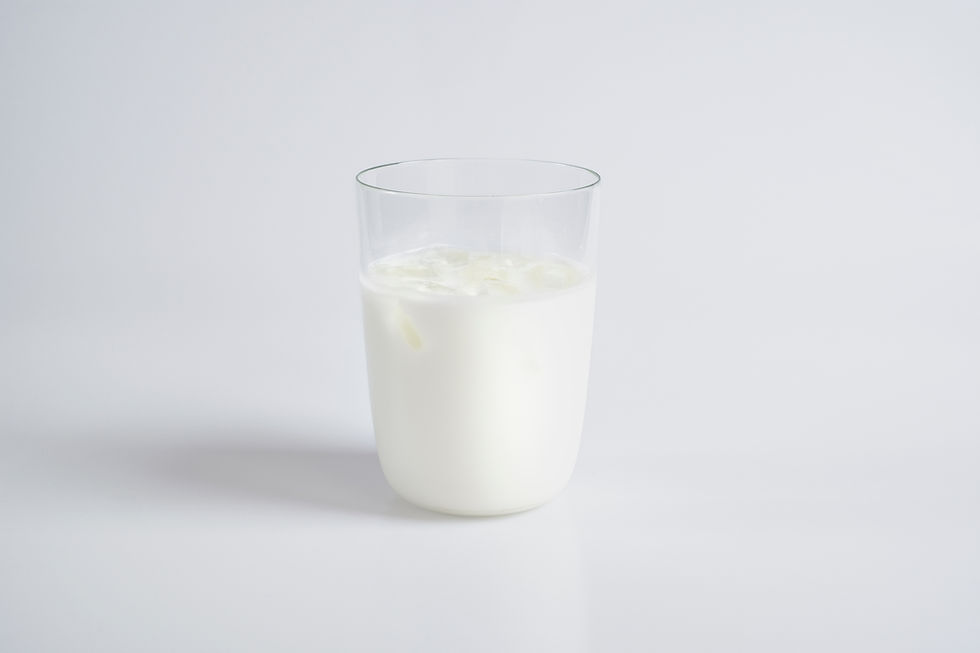
The US Department of Agriculture will purchase up to $263 million in dairy and other agricultural commodities, with nearly $150 million directed at butter, cheese and milk, in a move expected to lend support to US dairy prices amid elevated inventories and uneven global demand.
Agriculture Secretary Brooke Rollins said the purchases will be made under Section 32 authority and distributed through federal nutrition programmes, including food banks.
The programme allocates $75 million to butter, $32.5 million to cheddar and processed cheese products, $10 million to Swiss cheese, $20.5 million to fresh fluid milk and $10 million to ultra-high temperature milk.
For dairy processors and cooperatives, the intervention comes as markets navigate price volatility and shifting export conditions.
Spot butter was recently quoted at around $5,950 per metric tonne in international trade benchmarks, while whole milk powder has traded near $3,820 per tonne, according to industry data, underscoring the sensitivity of fat and solids markets to supply swings.
Government purchases of this scale can help clear surplus product and provide a floor to Class III and Class IV milk pricing, particularly when commercial offtake softens.
Traders said butter and block cheese markets are likely to see the most immediate impact, given the concentration of funds in those categories.
Beyond dairy, the USDA will buy $75 million in pulses – including chickpeas, black and pinto beans, lentils and split peas – as well as $25 million in tree nuts, such as pecans and walnuts, and $15 million in fresh pears.
Section 32 of the Agriculture Act of 1935 allows the USDA’s Agricultural Marketing Service to purchase surplus commodities to stabilise farm income and channel supplies into food assistance programmes such as the Emergency Food Assistance Program.
Market participants will now focus on tender volumes, contract awards and delivery timelines. Large-scale federal procurement can influence Chicago Mercantile Exchange price direction, cold storage levels and production planning decisions across the US dairy supply chain.