The latest news, trends, analysis, interviews and podcasts from the global food and beverage industry




From climate resilience to public health and supply chain stability, the food system sits at the crossroads of some of today’s most urgent global challenges. Sharon Bligh, director of health & sustainability at The Consumer Goods Forum, argues that meaningful progress depends on collective action across the value chain – from farm to fork – and a renewed focus on practical, scalable solutions.
Our world cannot function without food to nourish the population. The recent EAT-Lancet 2025 report offers a compelling perspective: the global food system alone holds decisive power in determining whether we can solve some of our biggest environmental and social challenges.
The report shows that one-third of global greenhouse gas emissions come from food, while 40,000 early deaths could be prevented daily if more people adopted a healthier, planet-friendly diet. From supply chain stability to public health, the food industry sits at the heart of multiple interconnected issues. We can’t have healthy people on a sick planet or sick people on a healthy planet – the health of both are intimately connected.
Through my role at The Consumer Goods Forum, I speak every week with leaders of FMCG and retail companies about the innovative approaches they are taking to unlock the potential of the food industry, and the realities they are grappling with. I can see the huge potential for our industry to keep improving how we grow, transport and consume food. The hurdles we face are clear – and now it’s about determinedly sourcing and scaling practical solutions.
Starting at the source with farmers
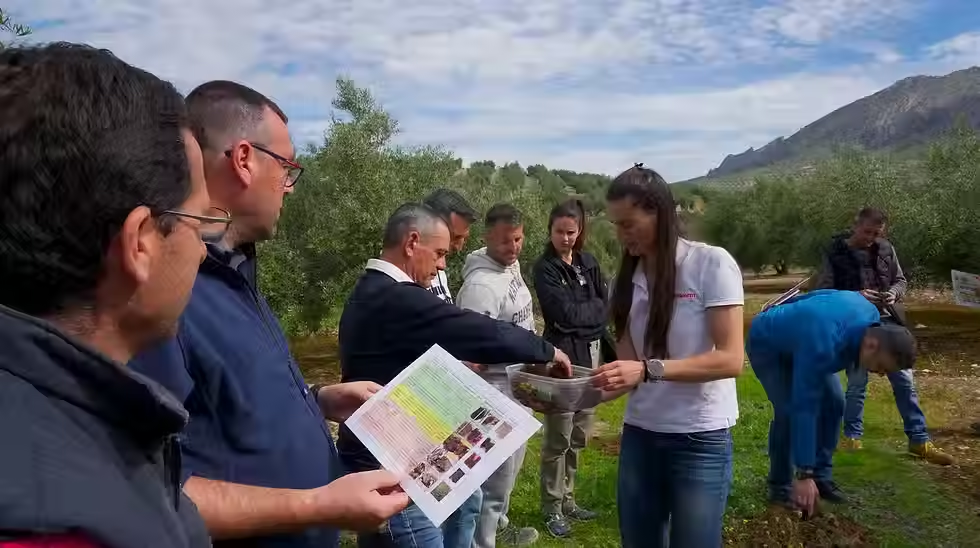
The journey to transforming the food system should begin at the farm level. Smallholder farmers produce 70-80% of the world’s food, yet they face immense threats from climate shocks and often struggle to meet their own food needs.
The cocoa industry, for example, relies on African smallholder farmers who supply over 90% of global cocoa. Despite their central role, many live in poverty and lack access to nutritious food, resulting in poor health. Addressing these gaps through targeted nutrition and livelihood programmes can significantly improve farmer wellbeing and stabilise productivity. Workforce nutrition of smallholder farmers is not just a moral imperative, but a smart investment for businesses wanting to strengthen their supply chains.
Equally important is tackling food loss at source. The Global Farm Loss Tool, developed by World Wide Fund for Nature (WWF), in partnership with the CGF, empowers growers to measure and reduce on-farm losses, helping to conserve resources, improve yields and increase profitability. Reducing waste before it enters the supply chain is one of the most efficient ways to cut unnecessary costs and emissions.

Transport efficiency through collaboration
Once food leaves the farm, it enters a complex web of logistics. Transport inefficiencies not only drive up costs, they also contribute to spoilage, emissions and supply chain disruptions. To tackle this, collaboration is key.
Retailers, suppliers and logistics providers must work together to streamline operations, share data and optimise routes. By aligning incentives and investing in smarter infrastructure, the whole value chain can produce less waste, ensure lower emissions and drive better profit margins across the board.
In the UK, for example, Mondelēz International reduced transport emissions and costs by working with a retail partner to introduce double-decker trailers, doubling pallet capacity per truck. This simple but effective change cut the use of 2,600 trucks last year alone. In Canada, the company has enhanced logistics with another retailer by optimising the pooling pallet supply to one of their distribution centres. These initiatives are only possible through collaborations.

Empowering healthier, more sustainable diets
At the consumer level, the challenge is both behavioural and systemic. Diets low in nutrients are driving a global health crisis, while unsustainable consumption patterns are accelerating emissions caused by food waste.
The food industry has a powerful role to play in shifting this trajectory. Reformulating products, promoting plant-based options and making healthier choices more accessible and appealing are all part of the solution. When nutritious options are seen as desirable, choosing them regularly becomes natural.
The food industry can shift behaviours and create lasting change by providing consumers with clear, consistent information for making healthier choices. Labelling, marketing and digital tools can help bridge the gap between intention and action, turning healthy and plant-based eating into a habit.
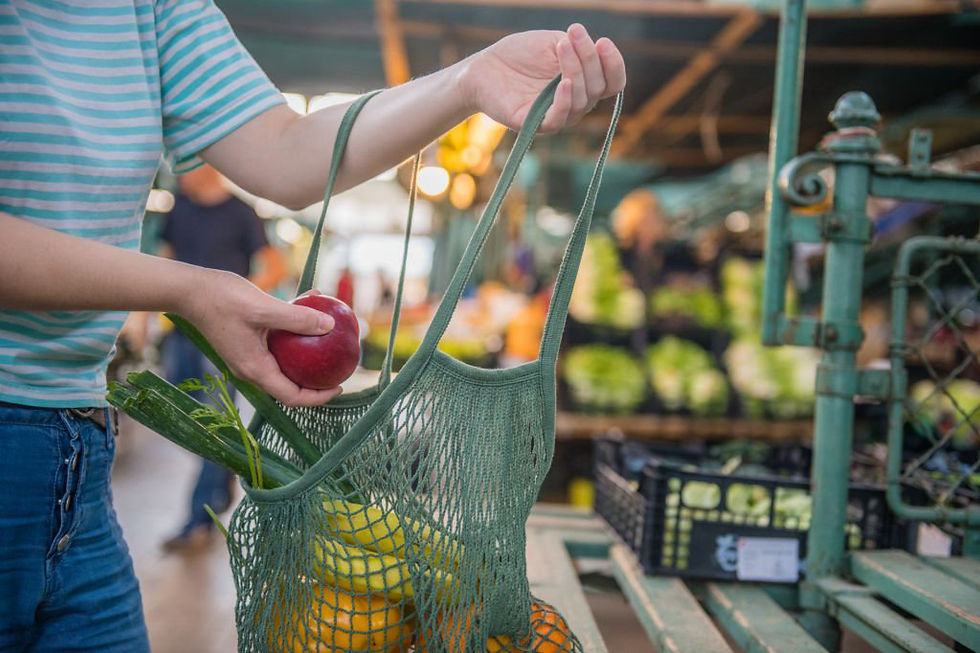
A compelling example comes from our supermarket and manufacturing members, who are offering fresh meal kits and promoting healthier cooking. By bundling together ingredients for popular recipes such as vegetable curries or stir-fry noodles, these companies are managing their inventory more efficiently, reducing on-shelf waste, while making healthy meals more desirable. While the exact approach will differ from shops and markets, this is a sign that targeted intervention can create concrete changes.

A call for collaboration
Transforming how we grow, transport and consume food is not always about just doing more - it is about focusing on what matters most. To build a food system that is resilient and efficient, we must rethink how we work together. No company, government, or organisation can fix the food system alone. It is one of the most complex systems on Earth, involving farmers, manufacturers, retailers, policymakers and consumers. But this complexity only intensifies the need for collaboration.
Creating a better food system together is a major piece of the puzzle to address some of our world’s biggest problems. I am confident the industry has the determination, ingenuity and capability to unleash this potential.