The latest news, trends, analysis, interviews and podcasts from the global food and beverage industry



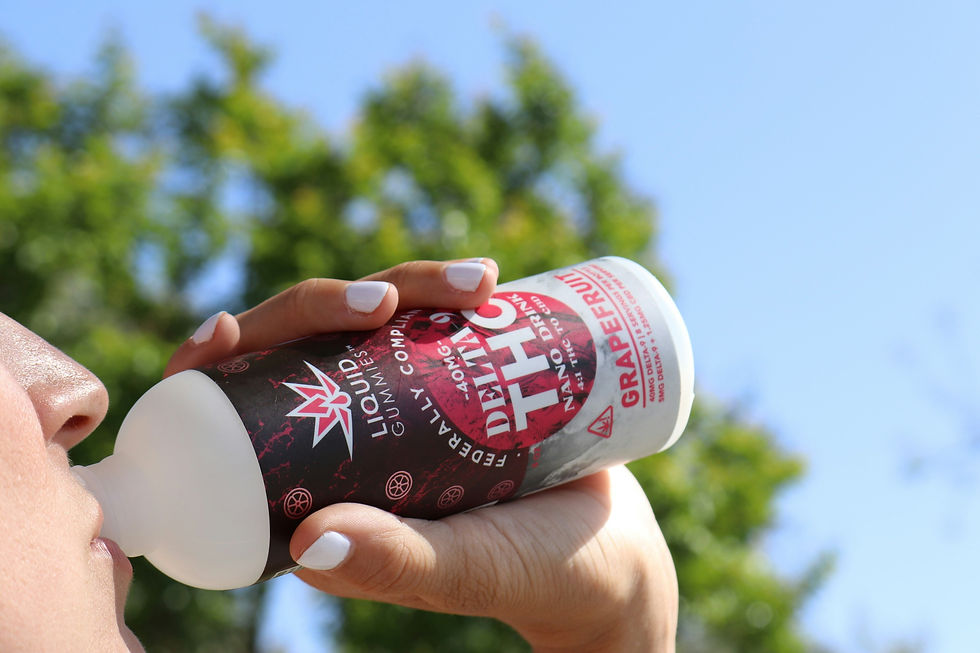
Cannabis-infused beverages are moving from novelty to legitimate category contender across many US states. Once limited by grassy flavours, inconsistent dosing and sluggish onset times, the segment is now benefiting from significant formulation breakthroughs, shifting consumer preferences and new distribution pathways.
Tetrahydrocannabinol (THC)-infused beverages currently represent a slim share of total cannabis sales in the US, yet they are among the fastest-growing product groups in adult-use markets. Analysts project sustained double-digit growth through the next decade, fuelled by better product quality, expanding regulated retail channels and rising demand for alcohol alternatives.
This growth aligns with broader beverage trends as moderate drinkers and 'sober-curious' younger adults are seeking functional social beverages without the drawbacks of alcohol. But as THC beverages' global growth trajectory collides with a fragmented policy landscape, the space remains a study in high potential and high risk.
Formulation changes unlocking the category
The biggest shift has occurred at the formulation level. Nano-emulsion and water-soluble cannabinoid technologies have fundamentally changed how THC interacts with liquid. By breaking cannabinoids into microscopic particles, manufacturers can create beverages that are stable, clear, consistent in dose and fast-acting.
The result is drinks that more closely resemble RTD cocktails, seltzers and flavoured sparkling waters than the bitter, oily cannabis beverages of years past. Typical onset times now fall between 10–20 minutes, a major improvement in consumer predictability.
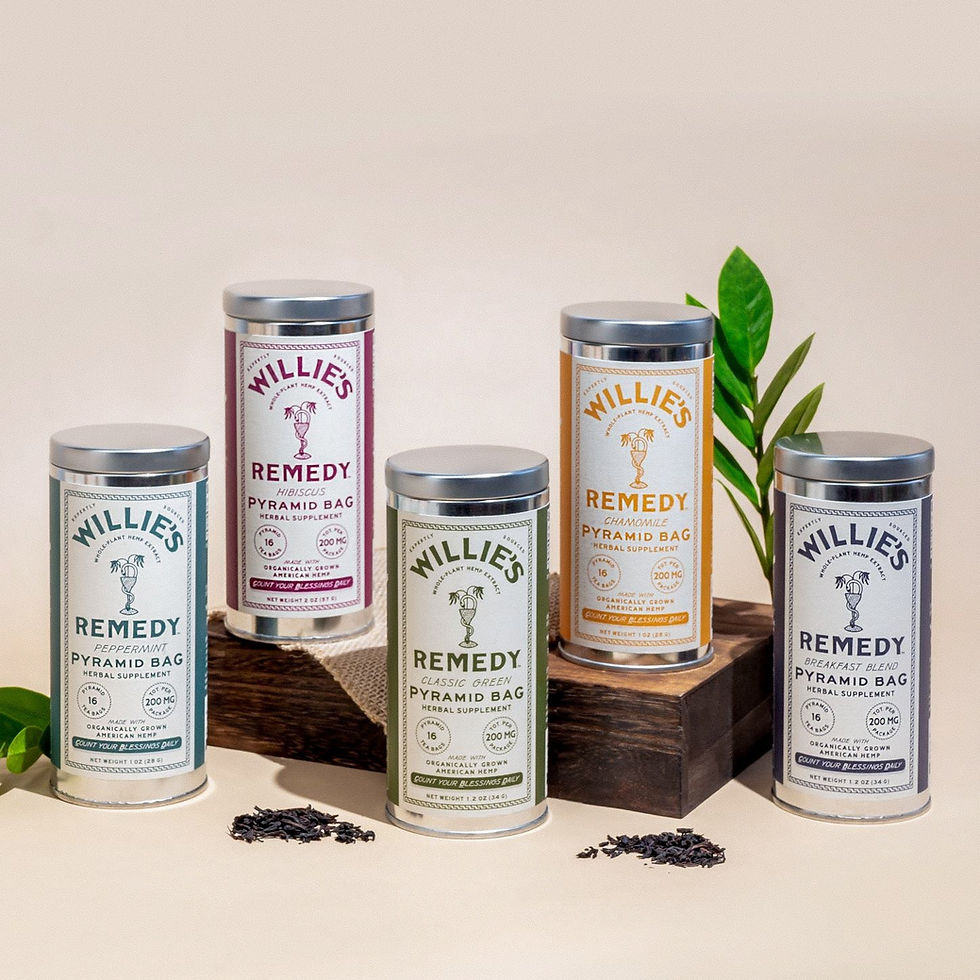
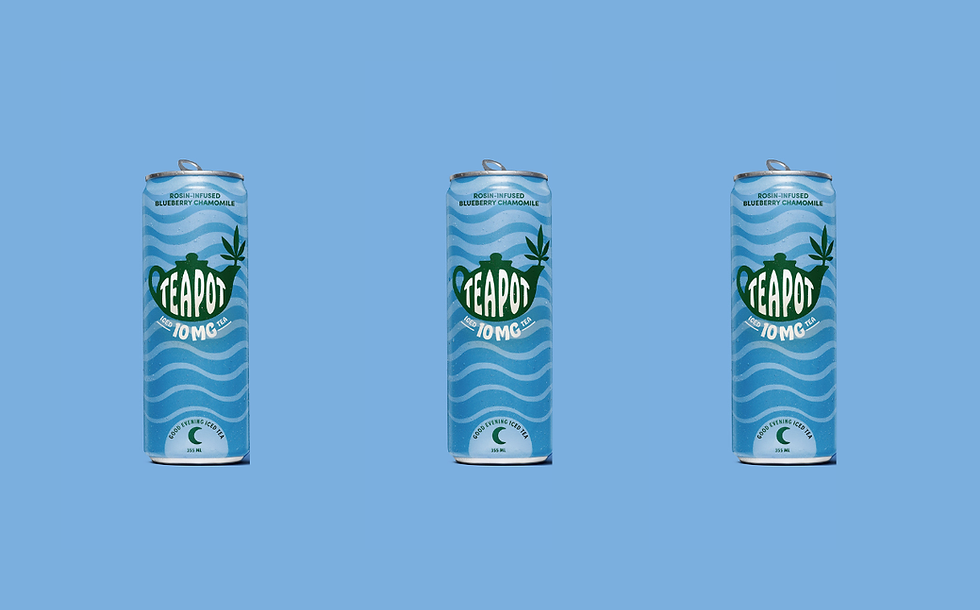
This technological leap has opened the door to rapid SKU expansion, from sparkling waters and ‘cannabis cocktails’ to teas, wellness shots and powdered drink mixes, with precise milligram dosing and improved sensory performance.

A rapidly growing market
A report from Whitney Economics underscores the scale of the opportunity this category offers. The firm estimates the total potential US THC beverage market to be around $9.9 billion to $14.9 billion, with current legal sales between $1.0 billion and $1.3 billion, signalling enormous headroom for growth.
The report also found that there are an estimated 500-plus brands active across the US, 100 of which are currently selling through marijuana dispensaries, and that most of these are bringing in an average $2 million in annual revenue.
“The emergence of THC beverage products has provided a solution that helps backfill declining revenues across multiple industries, including beer, wine and distilled spirits,” said Beau Whitney, chief economist at Whitney Economics.
Considering THC beverages are legal in just 28 US states, permitted with restrictions in nine and completely illegal in six, the growth of the category in recent years is unprecedented.
So, what's driving the market?
Changing attitudes to alcohol
Sober-curious lifestyles, health-conscious behaviours and younger adult drinking declines are reshaping beverage consumption. THC drinks are marketed as providing a sociable option without hangover of alcohol, often also containing less calories than alcoholic options.
Improved taste and sensory quality
Modern emulsions, flavour systems and sweeteners have erased many of the sensory issues that once hindered the category – today’s THC beverages taste more like popular mainstream products than medicinal tinctures.
Investment and strategic partnerships
Major beverage companies are entering through white-label deals, equity investments and formulation partnerships. Their involvement is raising expectations around quality control, branding and supply chain standards.
Confusing legal status and a looming crackdown
The category’s highest risk is its regulatory volatility. Hemp-derived beverages, in particular, exploded due to a loophole in the US’s 2018 Farm Bill. These products, often sold in states where recreational cannabis remains illegal, leveraged hemp-derived delta 9 THC and entered mainstream retail channels with fewer restrictions than alcohol.
However, in November 2026, US lawmakers capped THC levels in hemp-derived beverages at 0.4mg per container, effectively eliminating most products currently on the market. The measure, championed by Senator Mitch McConnell, was included in a federal funding bill signed by President Trump and responds to concerns over intoxicating hemp products reaching general retail. The bill also bans synthetic cannabinoids, and provides a one-year grace period for compliance.
Larger alcohol producers, facing pressure from declining consumption, have also been pushing for tighter oversight to level the playing field.
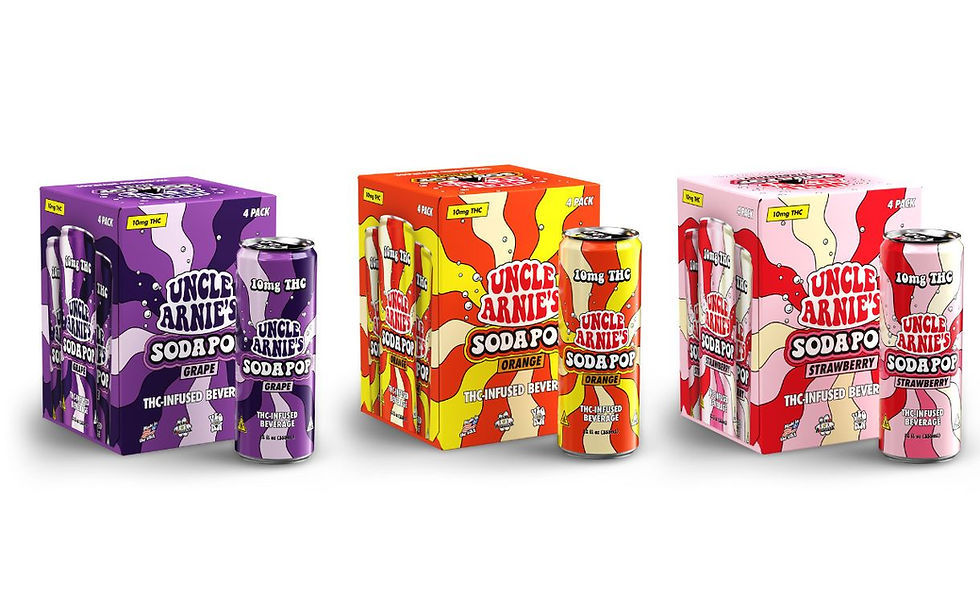
Theo Terris, CEO of hemp-derived THC-infused beverage brand Uncle Arnie’s, told FoodBev: "Manufacturers are in a bit of limbo. Current and planned harvests could be illegal in a year, so they’re closely monitoring the situation while figuring out next steps, including reformulation, testing and compliance planning."
Besides manufacturers and brands, Terris said the tighter regulations will impact hemp farmers, retailers, distributors, consumers, testing labs, industry associations and regulators. With the one-year grace period in effect, he added that for now, it is "business as usual" for the brand.
"Distribution partners continue selling our products, and we’re actively engaging with associations to promote sensible regulations around age gating, testing and THC limits," he continued. "We will adjust the strategy as we gather more info in the coming weeks and months."
Across the globe, regulations are often in contradiction. It is particularly fragmented in the US. While they are legal in some states, state-licensed THC beverages cannot cross state lines, while hemp-derived beverages face impending federal restrictions and inconsistent state interpretations. Elsewhere in North America, THC beverages are federally legal in Canada, but highly regulated with strict potency limits and packaging rules.
In Europe, it is another story of inconsistency. Most countries permit only low-THC hemp products, a few are piloting regulated cannabis programmes.
For companies wanting to sell and distribute THC beverages, regulatory literacy is crucial, with laws across different nations and states dictating everything from processing and packaging to distribution and pricing.

International expansion efforts
Despite regulatory pressures, there are two commercial models emerging: licensed THC beverages sold through regulated cannabis retailers with a restricted distribution but more regulatory clarity, and hemp-derived THC beverages sold through grocery, convenience, e-commerce, bars and restaurants in some jurisdictions. These have wider access but much higher legal risk.
Most major brands are expanding internationally under carefully regulated pilot programmes. US-based Wana Brand’s announcement that its cannabis gummies will launch through Zurich, Switzerland's cannabis pilot programme at the end of 2025 highlights the growing international appetite for controlled, research-driven cannabis consumption models. These early-stage frameworks are laying the foundations for beverages.
When it comes to expansion, there are several risks companies need to monitor. Rapid, unpredictable shifts in rules and legislation is the biggest challenge, with dosing and safety issues being another. High formulation costs also make beverages inaccessible to lower-income consumers.
In order to tackle these challenges, beverage companies should build a strong regulatory plan to avoid constant reformulations and partner with advanced formulation labs for nano emulsion stability, shelf life validation and consistent dosing.

THC beverages sit at the intersection of three powerful trends: alcohol moderation, functional beverage innovation and cannabis legislation. Unlike traditional beverage categories, success here requires navigating complex legal frameworks and consumer education. Companies that can stay ahead of regulatory pressures and have the time and finances to invest in this ever-changing landscape could be set to change the future of social drinking.