The latest news, trends, analysis, interviews and podcasts from the global food and beverage industry





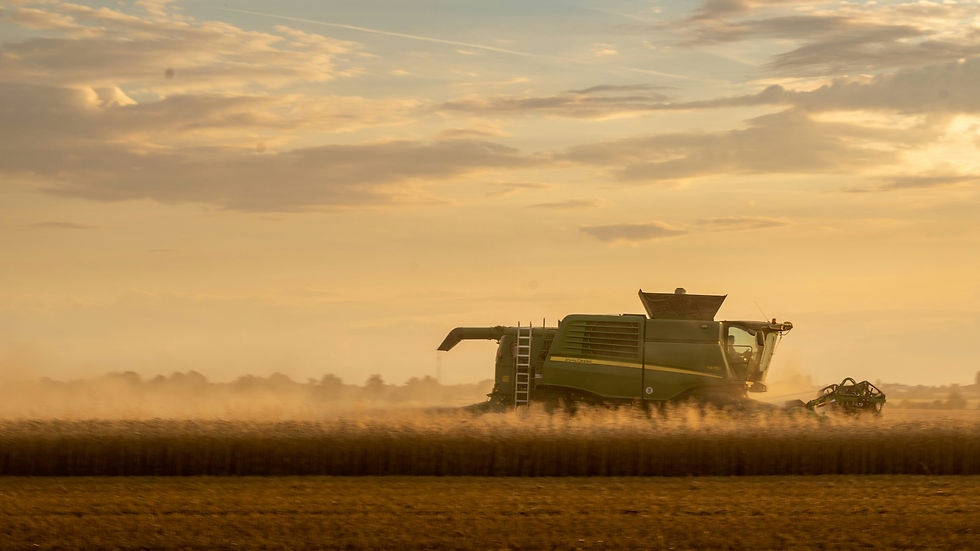
The global food and beverage industry is preparing for major supply chain disruption as meteorologists warn that the strengthening El Niño weather pattern is likely to intensify extreme weather across key agricultural regions over the coming months. FoodBev's Leah Smith explores the impact across food and beverage categories.
While manufacturers have spent the past five years navigating Brexit, Covid-19, geopolitical conflict and inflation, experts believe a ‘super’ El Niño could become another significant pressure point, threatening crop yields, disrupting ingredient supplies and adding further volatility to commodity markets.
The concern extends far beyond farming. Rising temperatures, heat stress, disrupted harvests, transport bottlenecks and failures within cold-chain infrastructure all have the potential to affect food manufacturers, retailers and consumers alike.
Rising heat = rising costs
According to figures highlighted by the Energy and Climate Intelligence Unit (ECIU), around 640 billion potential work hours were lost globally because of heat exposure during 2024, with agricultural workers accounting for almost two-thirds (63.5%) of those losses. Workers across 15 countries that supply a significant proportion of UK food imports lost an estimated 216 billion working hours through heat stress alone, equivalent to around 590 hours per worker.
Many of these countries provide commodities that manufacturers depend upon every day, including cocoa from Côte d'Ivoire and Ghana, coffee from Brazil and Vietnam, rice from India, tea from Kenya, bananas from Colombia and Ecuador, citrus fruit from South Africa and Egypt, and palm oil from Indonesia and Papua New Guinea.
Around 13% of UK food imports originate from countries considered among the world's most climate-vulnerable and least climate-resilient, ECIU data says. As climate extremes become more frequent, these supply chains become increasingly exposed.
Impact across the supply chain
El Niño is a naturally occurring climate pattern that warms surface waters in the Pacific Ocean. Although cyclical, it can dramatically alter weather systems across the globe.
Its effects vary by region, but often include prolonged drought across Southeast Asia and Australia, heavier rainfall in parts of South America, disrupted monsoons in India, and increased global temperatures. Against a backdrop of human-driven climate change, the additional warming generated by El Niño can amplify existing weather extremes.
The World Meteorological Organisation has warned that an intensifying El Niño is likely to increase the frequency and severity of extreme weather events, adding further pressure to global agriculture.
Modern food manufacturing depends upon a remarkably concentrated global supply network. Many of these countries produce ingredients that are difficult, or impossible, to replace quickly.
While crop failures often dominate headlines, experts argue that climate change is increasingly affecting every stage of the food supply chain with such disruption spanning globally. For example, in the UK where FoodBev is based, ongoing and record-breaking heatwaves have exposed vulnerabilities in supermarket refrigeration systems in recent months.
Isabelle Williamson, sustainable food systems and diets lead at Eunomia Research & Consulting, said: “Across the UK, supermarkets experienced refrigeration failures as extreme temperatures placed pressure on ageing cold-chain infrastructure, disrupting the availability of fresh and chilled products and highlighting how climate impacts can affect food supply beyond the farm gate.”
Building food system resilience
Industry experts increasingly argue that food security has moved beyond environmental policy and become a commercial priority.
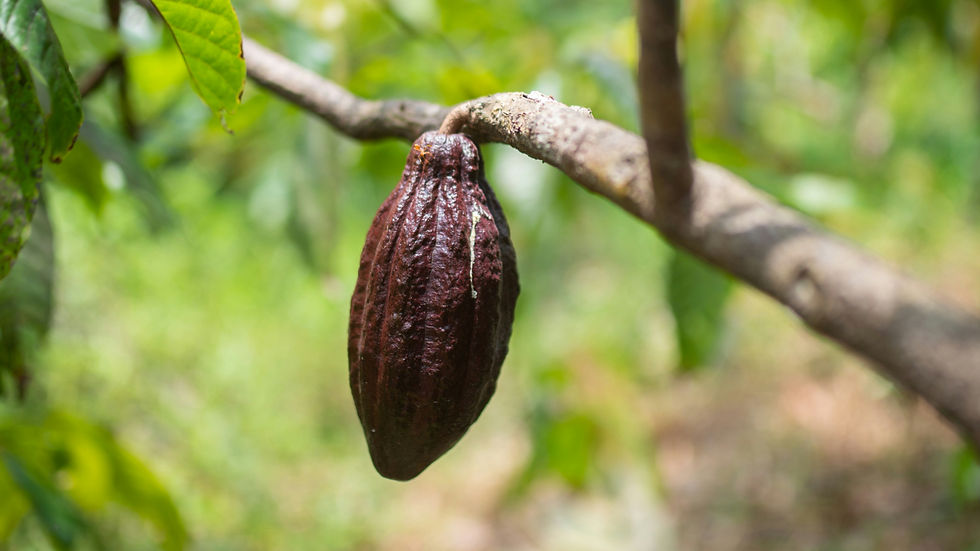
Cocoa prices reached unprecedented highs during 2024 and remained historically elevated into 2025 after successive poor harvests in West Africa, driven by excessive rainfall, disease outbreaks and periods of extreme heat.
Coffee markets have experienced similar volatility – arabica prices have remained elevated as Brazil endured repeated weather disruptions, while robusta supplies tightened following drought conditions in Vietnam.

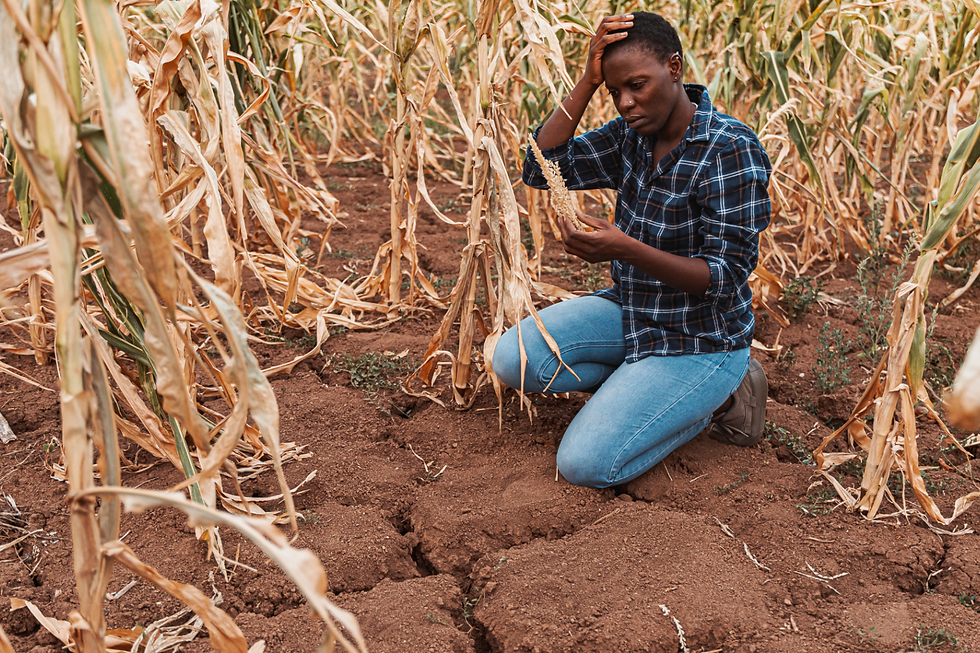
Will Corby, director of coffee and social impact at Pact Coffee, said: “El Niño’s effects vary by region. Central and South America typically see drier conditions, while East Africa is likely to see erratic rainfall and flooding. Both extremes significantly lessen yields on the coffee farm, causing a significant decrease in income for thousands of growers worldwide.”
He said that growers in South America could see yields grow by 30-50% as a result of this year’s El Niño, emphasising the huge hit on profit margins and the importance of coffee companies supporting growers.
“The only way to source coffee ethically is by forming mutually beneficial relationships with growers and sticking around on a long-term basis to ensure the partnership is sustainable,” Corby said. “Coffee companies were forced to pay above the cost of production for beans for almost the entirety of 2025. If they’re still trading, they made that work. Now the market has dipped, it’s down to them to do that on a voluntary basis to support growers as they face an incredibly tough series of harvests.”
Meanwhile, sugar prices have fluctuated sharply in recent years as weather patterns affected production across India, Thailand and Brazil; rice markets have also experienced instability following export restrictions and weaker harvest expectations in Asia; and vegetable oils, including palm oil, sunflower oil and soybean oil, continue to remain sensitive to weather developments across Southeast Asia and South America.
For procurement teams, weather forecasting is increasingly becoming as important as analysing exchange rates or freight costs.
Eunomia’s Williamson argues that repeated crop failures, rising food prices and infrastructure failures demonstrate that food system resilience is now an issue of economic and national security rather than sustainability alone.
She pointed to the UK's evolving policy landscape, including the Land Use Framework, National Food Strategy and proposed Good Food Bill, as evidence that governments are beginning to treat food resilience more strategically.
However, policy alone cannot remove climate risk. Businesses remain responsible for building resilient and ethical sourcing strategies in the face of increasingly volatile weather patterns.
Gradual disruption
Gary Lewis, head of business development and sustainability at KTC Group and president of the National Edible Oils Distributors' Association (NEODA), believes the industry should avoid assuming immediate shortages.
"I don't believe we will see an immediate or catastrophic impact on supermarket shelves," he says, noting that agricultural cycles mean any disruption may emerge gradually through late 2026 and into 2027 rather than overnight.
He also stressed that El Niño's impacts are highly regional. While drought may threaten Southeast Asian vegetable oil production, parts of South America could actually benefit from more favourable growing conditions. Nevertheless, Lewis warned that markets are already reacting.
Although falling energy and crude oil prices should theoretically ease manufacturing costs, uncertainty surrounding El Niño is keeping commodity markets nervous, with weather-related risk premiums offsetting many of those savings.
El Niño itself is temporary; however, the broader trend it exposes is permanent. Climate-driven supply disruption is becoming more frequent, commodity markets increasingly volatile and food security a greater concern.

Climate risk extends beyond agricultural production
Sustained hot weather also affects manufacturing operations directly; for instance, factories require additional cooling, increasing electricity demand at precisely the time energy networks face higher pressure.
Transport infrastructure can suffer due to rail restrictions, road damage and port congestion during extreme weather, and packaging materials may experience supply disruption if pulp production, plastics manufacturing or chemical feedstocks are affected elsewhere in the world. Insurance costs are also rising as climate-related risks become more frequent.
Manufacturers and producers who are invested in diversifying supply chains and infrastructure resilience will be the ones best suited to weather the storm as preparing for significant disruptions becomes a growing priority.