The latest news, trends, analysis, interviews and podcasts from the global food and beverage industry




As we enter comfort-food season, consumers are seeking indulgence without compromise. Yvette Pascua, research and development director at Rubix Foods, explores how food manufacturers can use functional ingredients to create healthier, but still crave-worthy products that deliver on taste, texture and perceived wellness.
Comfort food season has begun. It’s difficult to stick to calorie counting and making nutritious choices with a piece of pie staring at you from across the room. Why should we have to choose between health and indulgence? Many consumers think we shouldn’t have to. They want healthier options with permissible indulgence and they’re pushing food manufacturers to respond.
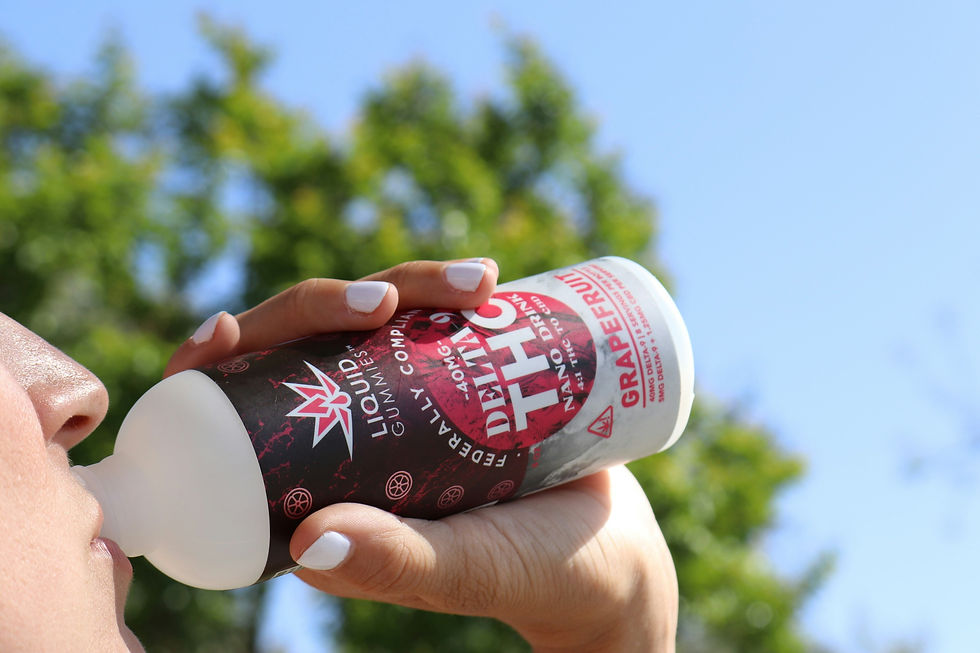
The words 'healthy' and 'indulgent' typically don’t belong in the same sentence, especially during the holiday season. But times are changing, and consumers of all ages are demanding more. Nearly half of Gen Z want functional beverages on menus (47%) and 33% of Gen X are willing to pay extra for functional add-ons to drinks.
It’s the responsibility of food manufacturers to turn these trends into fully developed and scalable products that will make their way onto restaurant menus and grocery store shelves. Here’s how you can feed the needs of consumers without missing an operational beat during comfort food season:

Giving function to food
It may be surprising to learn that the term 'functional indulgence' isn’t typically found in the R&D lexicon. To a food scientist, 'functional' refers to how an ingredient interacts within the surrounding food matrix. To a consumer, however, 'functional' refers to the body’s physical response once it’s consumed, or the perceived health benefit. 'Indulgence' is a psychological term.
When products are created with 'functional indulgence,' consumers have permission to enjoy the product with less guilt. From an R&D standpoint, that means enabling a perceived health benefit to meet a specific attribute (label-claim, for example) and determining how R&D should approach development and formulation.

Formulating for texture
Delivering a specific textural attribute is a common request when developing better-for-you food and beverage products. Because of the way functional ingredients, like protein, interact with other ingredients in a formula, we have to work backwards when formulating.
First, we start with what the ideal texture is and what the corresponding sensory experience would be. Then, we have to consider how these ingredients would interact with the added functional ingredients. Many of these functional ingredients are bioactive compounds derived from a group of plant-based compounds called polyphenols, which can be highly reactive with proteins.
Adding polyphenols to a formula that has proteins could completely change the protein’s ability to interact within a food matrix and thus alter the product’s functional performance. Adding too much can shift the finished product’s texture, as well as alter the flavour, resulting in a change in the consumer’s perceived 'indulgence'.
Texture is so important because it can dominate the entire flavour experience. What we feel in our mouth helps to shape what we taste. A creamy emulsion can trap certain flavours and delay their release, while a multi-textured bite can make food feel more satisfying and even fuller-flavoured.
Studies have shown how food structure affects what people perceive first, like saltiness, sweetness or spice, and can influence how long those impressions last. When we build textures with intention and consider their impact on flavour, we can elevate foods that are lower in fat, plant-based or protein-enhanced without asking consumers to compromise on taste.

Evolving to meet consumer expectations
Functional indulgence is completely subjective. One person may consider a prebiotic soda as healthy, whereas someone else may consider a low-sugar coffee as the best functional choice. One person may think treating themselves to ice cream after dinner is the way to indulge, whereas someone else would be just as satisfied by splurging to add queso to their burrito bowl. Evolving to meet the ever-changing demands of consumers is not an easy task for food manufacturers, but it’s critical to be competitive in this market and stay relevant through every season of the year.
Here are some of the 'functional indulgence' trends product developers should be aware of as we approach 2026:
Micro-nutrients: Consumers used to be extremely conscientious of their macros (proteins, fats, carbs), but younger consumers have shifted their thinking to focus more on micro-nutrients (vitamins and minerals) and how they influence things like energy production, immune support and brain function.
Fibre: Datassential’s 2026 Trends report called fibre the new protein, as consumers are prioritising their gut health more than ever before. In fact, 33% of consumers reported that a high fibre label claim would motivate them to purchase a food or beverage item.
Creamy: As temperatures drop, the craving for creamy comfort rises. Therefore, it’s not surprising that 42% of consumers claimed that they most often crave creamy flavours during the fall.
Satiety: Consumers want to feel fuller for longer, and food manufacturers can develop around that demand by taking a closer look at the particle size of fats and how they’re being emulsified.
Natural colours: Extracting natural colours from sources like fruits, vegetables, plants and algae will continue to play a significant role in product development.
Getting back to basics: With an increased awareness of the health impact of ultra-processed foods, there has been a growing emphasis on simplifying and reverting to more intentional eating, along with a renewed focus on real, whole foods.
Embracing functional ingredients isn’t about chasing label claims, it’s about enhancing the overall eating experience. Whether it’s comfort-food season or spring-cleaning season, function is a meaningful lever for elevating flavour, texture and product performance – and a powerful strategy for creating food and beverages that truly stand out.