The latest news, trends, analysis, interviews and podcasts from the global food and beverage industry






This year's hot weather is estimated to have cost the UK economy approximately £4.4 billion in lost productivity, alongside wider effects on logistics, infrastructure and workforce health. For food and drink businesses, the risks go beyond the factory floor. Heat stress is affecting agricultural yields, increasing input costs and creating volatility across supply chains. Meanwhile, hospitality venues and hotels must manage higher cooling demand, protect guest comfort and respond to changing footfall patterns during extreme weather. Rather than treating heatwaves as short-term disruption, Natalie Dunbar, head of net zero services at Consultus Sustainability, discusses why this is more of a resilience issue.
When the UK is faced with any extreme weather, the general consensus is to focus on the short-term impact and disruption, such as transport delays, demands for certain products or a change to business operations. But as the Climate Change Committee (CCC) has been frequently warning, the reality is far more systemic. The UK is fundamentally 'built for a climate that no longer exists', with cool summers and mild winters rapidly giving way to temperature extremes.
From an absence of rain to drought in two-thirds of England, wildfires that have destroyed homes and the military deployed to assist with fire control, as well as amber alerts and major infrastructure impacts including school closures – the UK has faced arguably one of its most testing summers in recent history.
Across Europe, the challenges continue, which also have a knock-on effect on the UK: some estimates suggest a total of €180 billion could be wiped off EU GDP by the heatwaves.
For all sectors, the food and beverage industry included, the heat has become a core risk with the potential to leave long-lasting damage.
Volatile supply chains
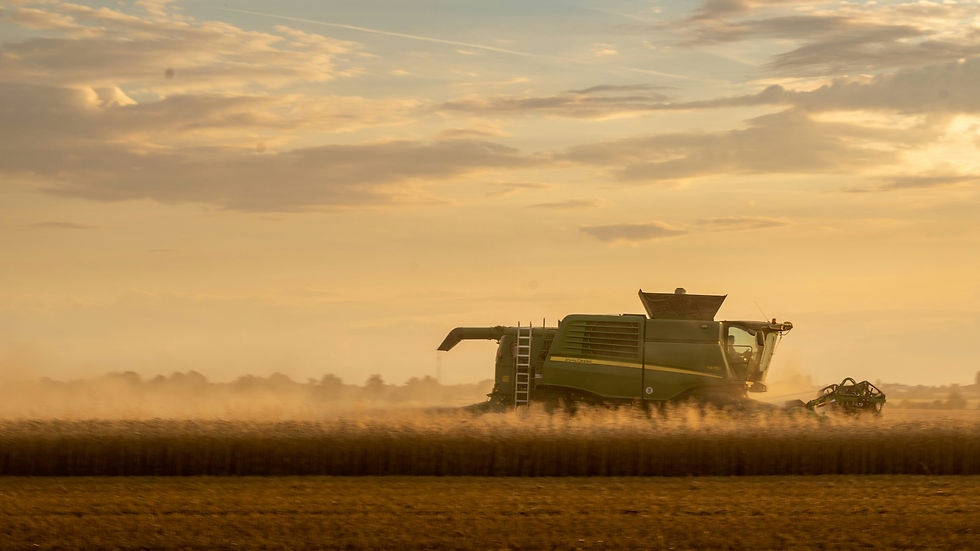
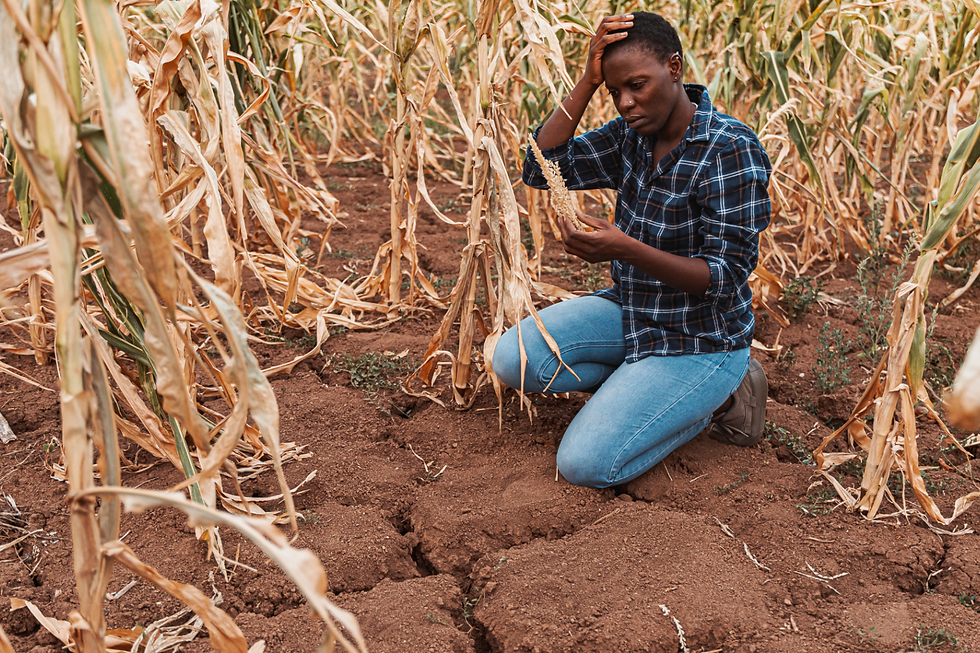
The pressures start on the frontline, out in the fields. Evidence collected from recent heatwaves in previous years reveals grass and maize yields plummeting by roughly 50% in affected agricultural regions. High heat forces crops to be harvested prematurely to prevent complete loss, directly compromising ingredient quality and driving up input prices for food processors.
In addition to our domestic challenges, there is our reliance on global trade, with the UK importing around 40% of its food supply. When weather spikes impact our overseas partners – such as Morocco's persistent heatwaves and floods – the impact ripples across British supply chains. Combined with the geopolitical impact on wheat stemming from the war in Ukraine, and multi-year low groundwater levels that are failing to replenish between seasons, manufacturers face continuous price volatility that is ultimately passed down the line to the consumer.

Logistics stress
Another disruptive climate impact takes place in our infrastructure. Transporting ingredients from farm to factory floor creates massive exposure risks. And as we have seen, our thermal threshold in the UK is not where it needs to be. Major rail routes experience line closures due to buckling tracks and overhead cable sagging, as they are designed to only withstand lower temperatures, which can cause huge delays to ambient and chilled products in transit.
Once products do reach their processing facilities or retail environments, energy, cooling and water availability becomes even more essential. When heatwaves spike, there is heightened cooling demand from various refrigeration systems and this, coupled with increased demand on dwindling water supplies and reduced grid efficiency, leads to electrical outages.
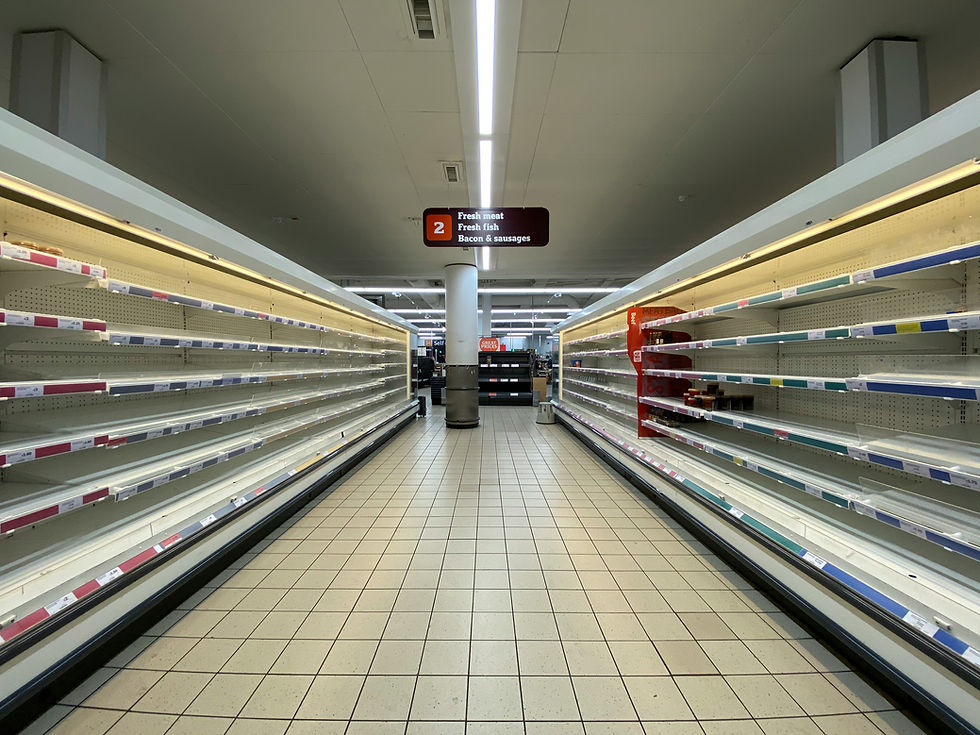
One of the main issues in the UK is that commercial assets have historically underinvested in heavy-duty cold storage. Supermarket units often break down due to the systems not being engineered for prolonged periods of heat. There has been a rise in the number of retailers now switching from open-chiller units to those with physical doors – a crucial step in saving energy and retaining chilled temperatures. Meanwhile, there is also a risk of dips in warehouse productivity, higher occupational risks for frontline workers and the need to adjust shift patterns to work in cooler times of the day.
Meeting new consumer behaviour
At the other end of the supply chain, heatwaves can alter market demand virtually overnight. Research shows that roughly 70% of shoppers change their eating habits during high temperatures, opting for lighter products and fresher ingredients for salads. Unprepared manufacturers and retailers therefore face immediate challenges trying to match their stock levels. Footfall in city centres can also drop by as much as 25% during peak hot weather spikes – something that impacts many high street food chains.
Managing extreme heat is an operational balancing act for hospitality operators. Businesses often find themselves operating in a way to protect comfort and safety. For businesses able to afford air conditioning, constant use drives energy bills to peak levels, highlighting the urgent need for site-level shifts toward passive cooling design, building orientation and structural retrofitting.

Moving to climate adaptation
Currently, many organisations are focusing on decarbonisation and transitioning to net zero on various pathways – ultimately reducing their impact on the planet. While this is still critical, there is a dangerous blind spot regarding the immediate, physical impact on the business. Many become trapped in a reactive survival mode, treating each heatwave as a short-term emergency rather than a recurring financial threat.
Building genuine business resilience requires a structured transition towards physical climate adaptation:
Utilising TCFD frameworks: leverage the Task Force on Climate-related Financial Disclosures (TCFD) reporting process not merely as a compliance exercise but as a practical tool to map physical climate risks across locations, logistics routes and supply chains
Audit infrastructure: assess refrigeration, cold-chain thresholds and ambient warehouse environments to bring in upgrades before heatwaves occur
Supply chain collaboration: work directly with agricultural suppliers and transport partners to build flexible sourcing schedules, account for harvest volatility and support long-term water management strategies
Adapt workplaces: formalise heat-response protocols, including flexible shift timings to protect workforce productivity and health
Record-breaking summer temperatures are becoming a permanent feature of the UK commercial landscape. By identifying vulnerabilities early and embedding physical measures for resilience within core energy and operational strategies, food and beverage businesses can protect their supply chains, safeguard their workforces and secure long-term profitability.