The latest news, trends, analysis, interviews and podcasts from the global food and beverage industry


Heineken will cut 5,000 to 6,000 jobs, or roughly 7% of its global workforce, as Europe’s second-largest brewer moves to protect margins amid continued weakness in beer demand across developed markets.
The Dutch brewer said on Wednesday that beer volumes fell 2.4% in 2025, reflecting softer consumption in Europe and North America as consumers push back against higher prices and moderate alcohol intake. The decline was slightly less severe than analysts had expected.
Most of the job reductions will occur in Europe over the next two years as part of a broader cost-efficiency programme. Heineken employs about 87,000 people globally.
The company did not specify which functions would be affected, though the cuts extend beyond previously announced head office streamlining.
The move underscores the structural challenges facing major brewers in mature markets, where post-pandemic consumption has failed to rebound, and health-driven moderation trends are accelerating.
For suppliers and contract manufacturers, the reductions signal continued pressure on volumes in Western beer markets.
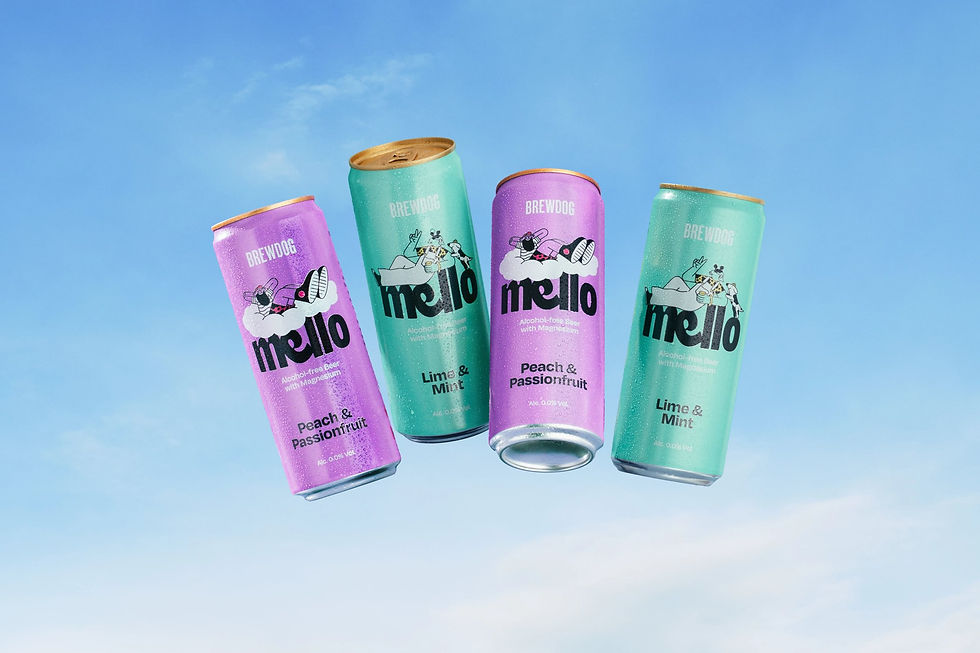
Chief executive Dolf van den Brink, who is set to step down in May, said innovation would be critical to reigniting growth in developed regions. “Bigger and bolder innovation is needed” in North America and Europe, he said, pointing to low- and no-alcohol beer as a key growth segment.
The brewer forecast operating profit growth of 2% to 6% in 2026, compared with 4.4% growth in 2025, at the lower end of its guidance range. Analysts described the outlook as cautious but achievable in what is expected to be a transition year for leadership.
While Western markets remain subdued, Heineken said it is more optimistic about demand in emerging markets, including Vietnam and South Africa, where favourable demographics and rising incomes continue to support category expansion.
The divergence highlights an increasingly bifurcated global beer landscape: mature markets are characterised by premiumisation and alcohol moderation, while growth is shifting toward emerging economies.
Heineken’s announcement follows similar pressure across the sector. Rival Carlsberg has warned of subdued demand in Western Europe and is accelerating diversification into soft drinks following its acquisition of Britvic, signalling broader portfolio shifts within the brewing industry.
For the wider food and beverage sector, Heineken’s restructuring reinforces three themes shaping the alcohol category in 2026:
Persistent volume pressure in developed beer markets
Margin protection through workforce and cost restructuring
Strategic pivot toward low/no-alcohol and emerging market growth
Despite near-term caution, van den Brink said the company remains confident in the long-term outlook for beer. “We remain prudent in the short term, and confident in the mid- to long term that the category will return to growth,” he said.
Heineken shares rose in early Amsterdam trading following the announcement, suggesting investors welcomed the cost discipline amid ongoing category headwinds.