The latest news, trends, analysis, interviews and podcasts from the global food and beverage industry




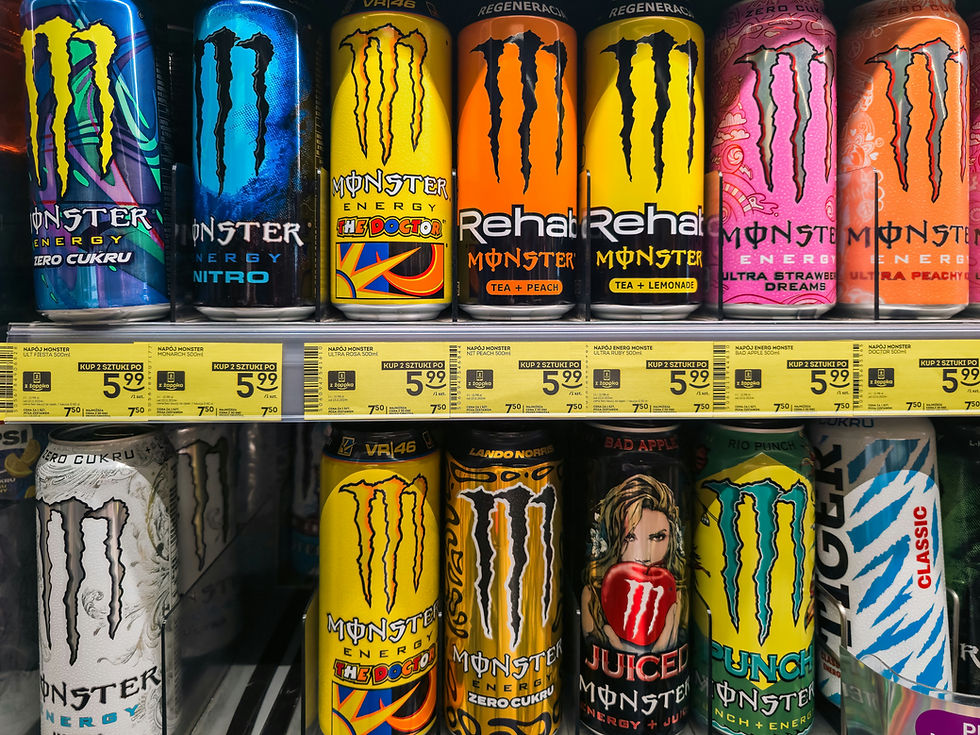
Caffeinated energy drinks and stimulant-containing dietary supplements have been linked to higher reporting rates of serious cardiovascular events, including cardiac arrest and heart attacks, particularly among young adults, according to preliminary research presented by the American Heart Association (AHA).
The study, which will be presented at the AHA’s Scientific Sessions 2026 in Chicago from 6-9 November, analysed 28,345 adverse-event reports submitted to a US Food and Drug Administration (FDA) safety database between 2017 and 2025.
Of these, 854 reports involved products containing caffeine or other stimulants, while 27,491 related to products without these ingredients.
The analysis found that cardiac arrest was reported approximately 11 times more frequently in connection with caffeine- and stimulant-containing products than with other foods and dietary supplements.
Reports involving energy drinks and stimulant supplements were also around 4.5 times more likely to include heart attacks and four times more likely to involve ventricular arrhythmias or heart palpitations.
Other reported cardiovascular events included elevated heart rate, which appeared nearly three times more frequently, chest pain (2.71 times more frequently) and fainting (approximately twice as frequently).
Adults aged 18-34 accounted for around 45% of reports linking caffeine- and stimulant-containing products to cardiovascular events. Similar patterns were observed among men and women.
The researchers suggested that consumption habits, including drinking energy drinks before intense exercise or combining them with alcohol or other drugs, could help explain the findings. Undiagnosed heart conditions may also be a contributing factor.
Sai Samayamanthula, study author and fourth-year medical student at the University of Virginia School of Medicine, said consumers may underestimate the potential risks because energy drinks and stimulant supplements are marketed as everyday products and sold alongside conventional soft drinks and bottled water.
He added that regular consumption could cause individuals to exceed recommended daily caffeine limits.
According to the AHA's 2026 scientific statement on caffeine and cardiovascular disease, consuming up to 400mg of caffeine daily is generally considered safe for most adults.
However, some energy drinks contain up to three times more caffeine per fluid ounce than brewed coffee, while certain pre-workout supplements contain more than 12 times as much.
The researchers also highlighted the regulatory context, noting that the FDA regulates energy drinks and stimulant supplements as foods or dietary supplements rather than medicines, meaning they are not subject to the same pre-market safety testing requirements as pharmaceutical products.
Despite the findings, the study does not establish a direct causal relationship between stimulant consumption and cardiovascular events.
Gregory M. Marcus, chair of the AHA's 2026 scientific statement on caffeine and cardiovascular disease, said other factors may have influenced the results and that further research is needed to determine whether these products are responsible for the reported events.
The researchers emphasised the need for more systematic safety monitoring of caffeine- and stimulant-containing products.
They also noted that the analysis relied on voluntary adverse-event reports, meaning it is unclear how many people consumed the products without experiencing cardiovascular problems or how many adverse events went unreported.
The findings are preliminary and have not yet been peer-reviewed.