The latest news, trends, analysis, interviews and podcasts from the global food and beverage industry


The European Parliament has approved a significant package of reforms aimed at strengthening farmers’ position in the food supply chain, enhancing income stability and introducing stricter rules on meat-related labelling across the European Union.
MEPs voted overwhelmingly in favour of the measures, with 560 votes supporting the legislation, 75 against, and 25 abstentions.
The reforms are designed to ensure that food prices more accurately reflect production costs, while providing farmers with stronger contractual protections and greater negotiating power.
Under the new rules, EU member states will be required to establish and publish online pricing benchmarks to support contractual negotiations between farmers and buyers. The move is intended to increase transparency and help ensure that farmgate prices better reflect market realities and production costs.
The legislation also introduces greater clarity around the use of sustainability and fairness-related marketing claims. Terms such as “fair” and “equitable” will be subject to defined criteria, including contributions to rural development and support for farmer organisations.
The changes aim to provide greater consistency across the EU market and improve consumer confidence in food product labelling.
One of the most closely watched aspects of the reform concerns product naming and labelling.
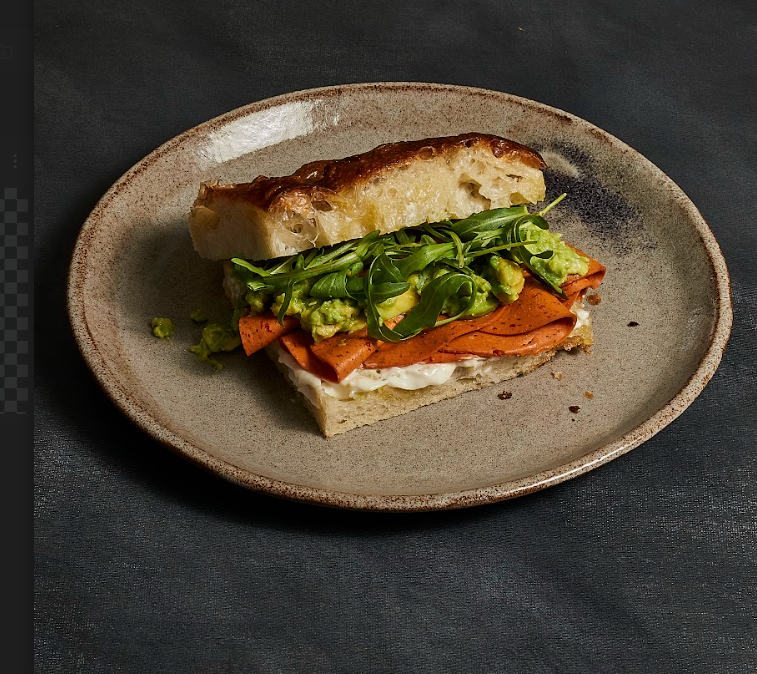
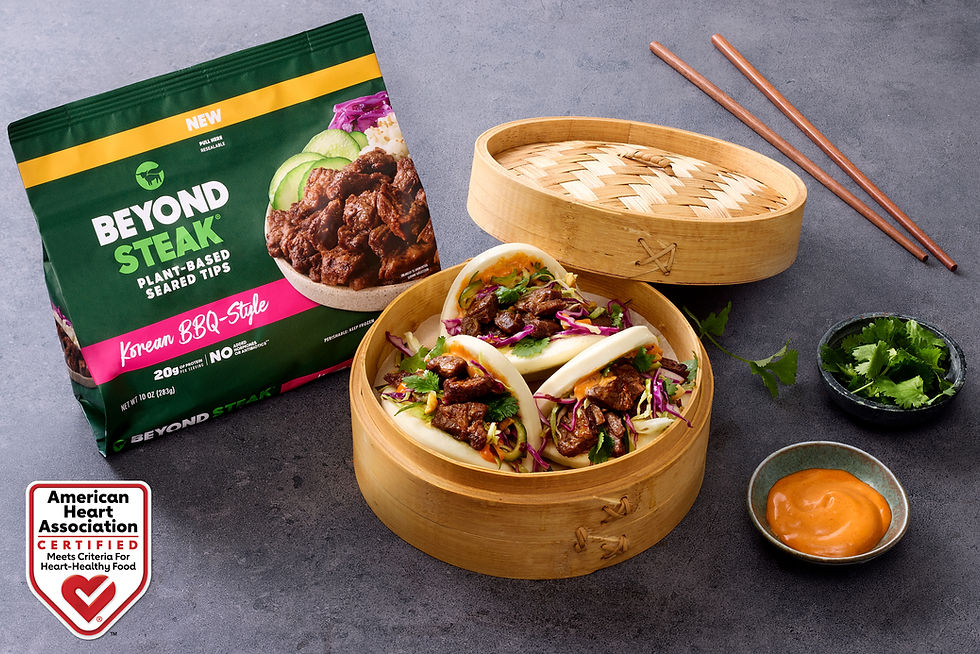
The legislation establishes a formal definition of meat as “edible parts of animals” and reserves a wide range of traditional meat terms exclusively for products derived from livestock. Designations including “steak,” “bacon,” “sirloin,” “ribeye,” “chicken,” “pork” and “lamb” will no longer be permitted for products that do not contain meat.
The restriction also explicitly applies to lab-grown and cell-cultivated products, which will be prohibited from using meat-related terminology within the EU market.
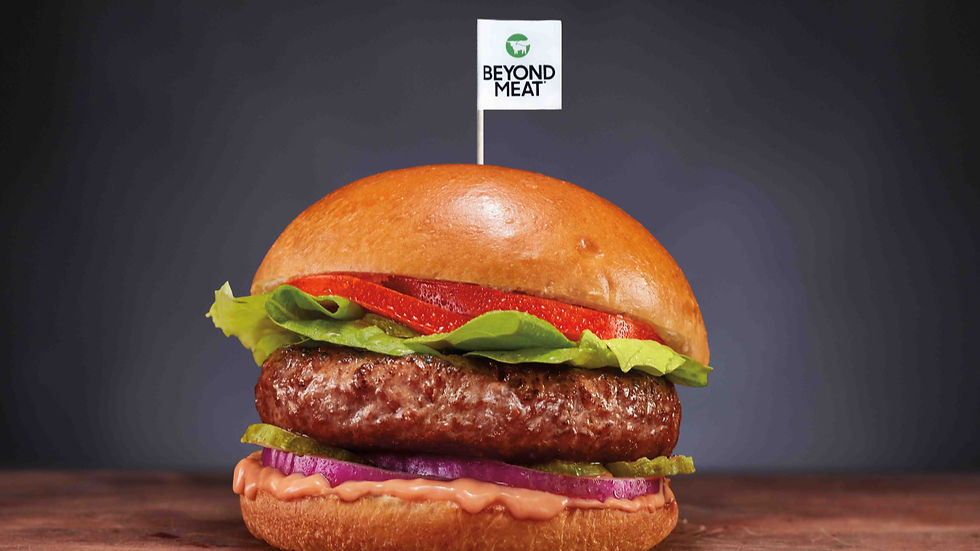
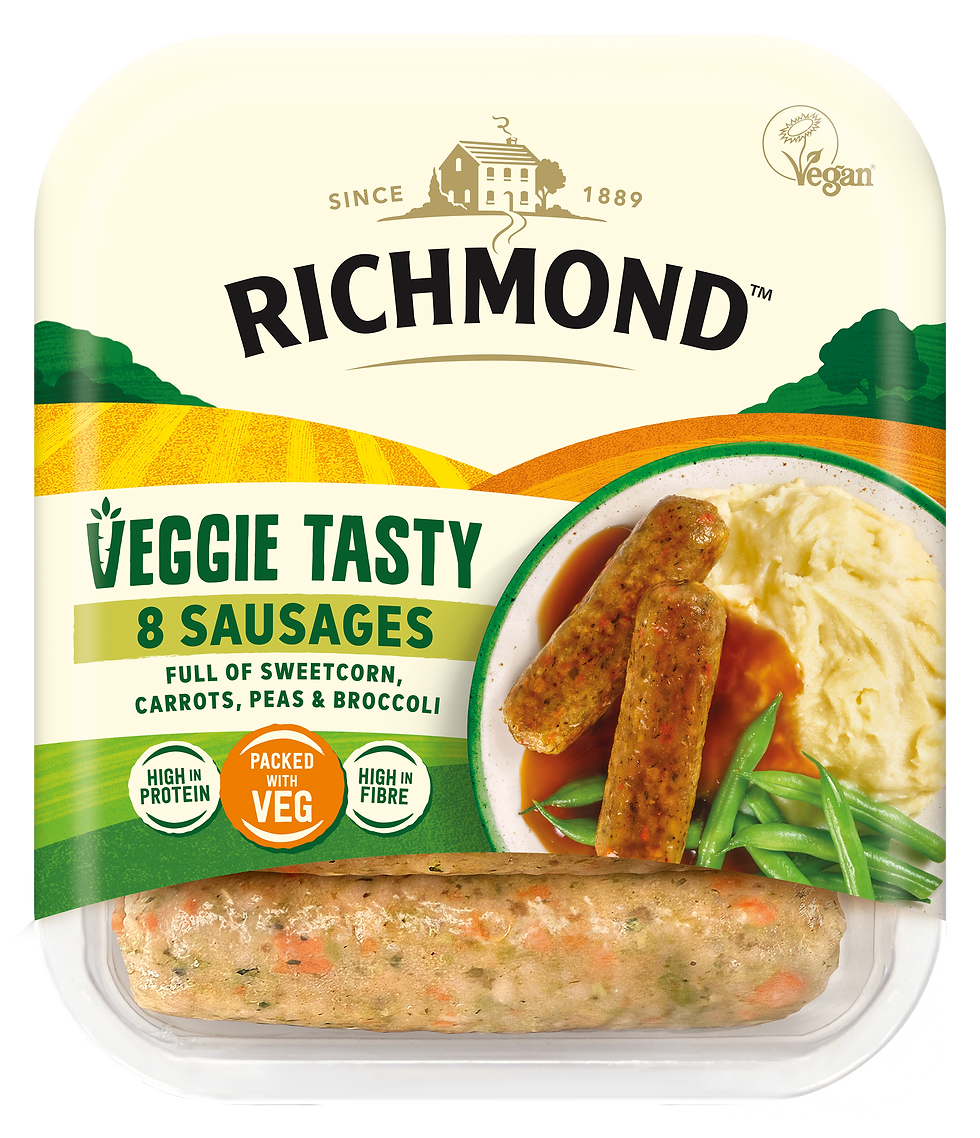
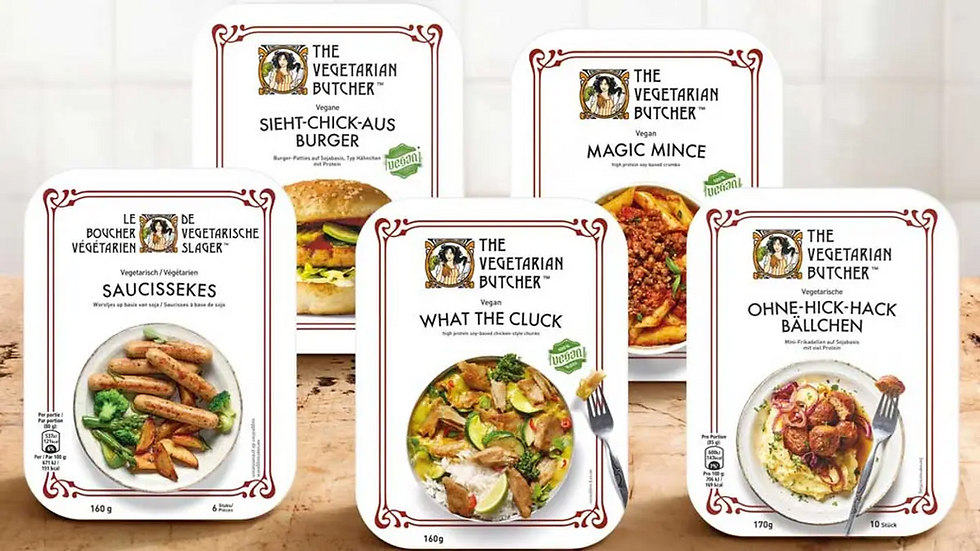
It follows from an earlier vote in October 2025, where members of the European Parliament voted to restrict the labelling of plant-based products with meaty words such as ‘burger’ and ‘sausage’.
Supporters argue that the measure will improve transparency and help consumers make informed purchasing decisions, while critics are expected to question its implications for alternative protein innovation and marketing.
The dairy sector will receive additional protections under the new framework. Mandatory written contracts will become a key feature of milk supply agreements, providing greater certainty for producers operating in a market characterised by volatility and margin pressure.
The contracts will include provisions covering price indicators, revision clauses and opt-out mechanisms, offering greater flexibility while improving contractual security.
Before the reforms can take effect, the provisional agreement must receive formal approval from the Council of the European Union.
The legislation forms part of a broader effort by EU policymakers to address longstanding concerns over farmer profitability and supply chain imbalances. It follows proposals introduced by the European Commission in December 2024 to revise the Common Organisation of Agricultural Markets (CMO) framework and strengthen farmers’ bargaining power throughout the food system.