The latest news, trends, analysis, interviews and podcasts from the global food and beverage industry






Supplements are increasingly embedded in daily wellness routines rather than used as occasional health interventions. As a result, consumer expectations are shifting beyond efficacy alone, with taste, format and overall sensory experience now essential to how consumers evaluate and engage with products. Lois Mo, marketing director for health & wellness, APAC at ADM, explores how flavour innovation, new delivery formats and advances in microbiome science are reshaping supplement design to support long-term consumer adherence.
In many traditional wellness practices, efficacy often came at the expense of the consumption experience, whether through hard-to-swallow formats or less enjoyable sensory profiles. However, this perception is rapidly shifting as consumers gravitate towards solutions that are easy to consume, enjoyable, and seamlessly fit into everyday life.
Today, more than four in five consumers in Asia Pacific report taking at least one type of supplement, with usage in APAC (87%) exceeding the global average (78%). As supplements become embedded in daily routines, they are evolving from reactive solutions into tools for ongoing, preventative wellness, bringing new considerations for long-term adherence. In response, demand is growing for formats that are easier to take and more enjoyable, with better taste, appealing textures, and increasingly food-like or snackable experiences.
Why efficacy alone is no longer enough
For short-term use, some consumers may tolerate bitter flavours, chalky textures or large tablets if they believe the product delivers meaningful health benefits. But when supplements are taken daily, consistency becomes the real challenge.
Research shows that 33% of global supplement consumers find it difficult to establish a regular routine.
As a result, how supplements fit into everyday habits is becoming just as important as the benefits they deliver. In APAC, more than 40% of consumers who have taken supplements in the past two years actively seek products that are easy to consume, affordable, tailored to their needs and offer a pleasant taste – factors that support consistent daily adherence.
While efficacy remains essential, the overall consumption experience now plays a decisive role in whether products are used consistently enough to deliver results. Younger consumers, in particular, prioritise ease, convenience and enjoyment, with 41% citing ease of use as a key purchase driver. In APAC, this is reinforced by broader expectations, with over 43% of Gen Z and Millennials seeking supplements that are easier to consume and integrate seamlessly into daily routines, alongside delivering effective, multi-benefit solutions.
For manufacturers and brands, this reframes product design. Delivering functional benefits is no longer sufficient. How those benefits are experienced has become critical to ensuring they are realised at all.
Flavour drives product appeal
Flavour plays an important role in supplement development, helping address the inherent sensory challenges of many functional ingredients. Vitamins, minerals and botanical extracts can naturally introduce bitterness, acidity or lingering aftertastes, making sensory optimisation critical to delivering health benefits without compromising the overall experience.
As a result, flavour innovation is evolving beyond masking undesirable notes to shaping how products are experienced and adopted over time. When executed effectively, it can transform supplements from an obligation into a product consumers choose to take every day.
In the Asia Pacific, citrus profiles such as orange and lemon remain foundational in immunity-support products, reflecting strong consumer associations with health and functionality. Flavours such as honey, red apple and blueberry are also gaining traction, reinforcing a preference for familiar, naturally positioned profiles.
Botanical and tea-inspired flavours such as jasmine, oolong and hojicha are also emerging, bridging traditional wellness ingredients with more modern, premium flavour profiles. Alongside this, tropical and regionally relevant fruits, including mango, pomelo, yuzu and mandarin, are gaining traction, highlighting the importance of localisation in flavour development.

Format innovation enhances ease of use
Alongside flavour, delivery formats are evolving rapidly as consumers seek more convenient and accessible ways to take supplements. While tablets and capsules remain widely used, non-pill formats are gaining popularity, particularly as 43% of supplement users report difficulty swallowing traditional pills.
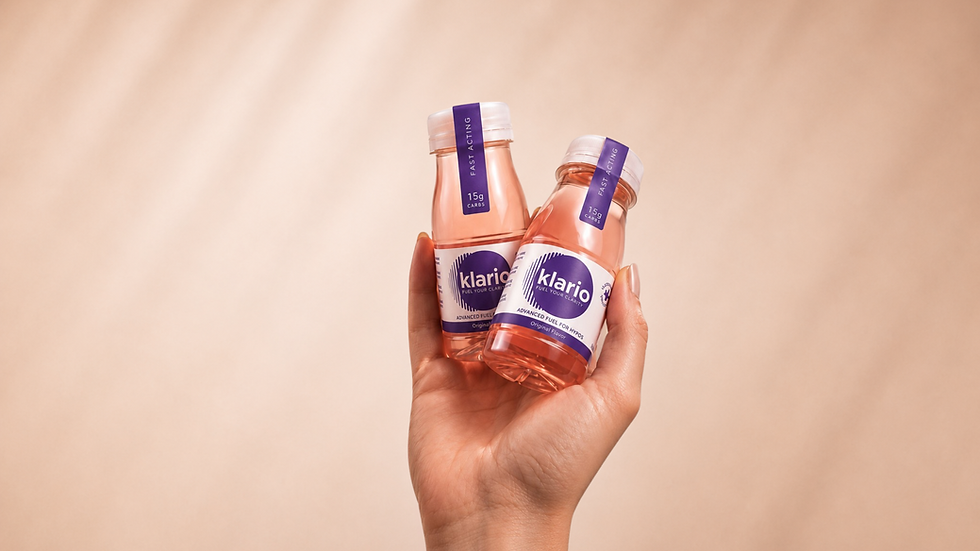
Globally, formats such as gummies, powders, chewables and dissolvable products account for over 60% of supplement market sales, with gummies alone representing more than 23%. In APAC, Gen Z and Millennials show stronger uptake of chewables (27-24%) and jelly/gummy formats (23-25%) than Baby Boomers (19-24%), reflecting younger consumers’ preference for more enjoyable ways to take supplements. Alongside this, liquid formats and single-serve shots remain popular, as busy, on-the-go lifestyles drive demand for convenience.
Fast-dissolving formats are creating new opportunities for convenient, on-the-go supplementation without the need for water. Modern technologies are enabling the delivery of smoother textures, more pleasant taste and refreshing cooling sensations while avoiding the gritty mouthfeel and lingering aftertaste often associated with traditional formats.
These innovations are not simply about novelty. By reducing friction in how supplements are consumed, they help encourage consistent daily use, which is essential for promoting consumption and delivering intended health benefits.

Expanding supplement possibilities through microbiome science
Beyond flavour and format, advances in ingredient science are expanding how functional benefits can be delivered across supplements and functional food and beverage products.
Growing awareness of gut health and its links to immunity, digestion and overall wellbeing is driving interest in microbiome-supporting ingredients, particularly as consumers seek more targeted support across key areas of everyday health. While probiotics remain well established, newer approaches are offering greater flexibility in formulation.
Postbiotics, for example, provide improved stability compared to live probiotics, enabling use across a wider range of formats without compromising product quality or sensory experience. Lactobacillus gasseri CP2305 is one such postbiotic, with a growing body of research supporting its potential in areas related to gut and overall well-being. Its inherent stability also allows it to be incorporated into a variety of formats, from dietary supplements such as capsules, tablets and soft gels to functional food and beverage applications, supporting greater flexibility in product development. Similarly, spore-forming probiotics offer enhanced stability compared with conventional strains, allowing them to be incorporated into a broader range of applications.
These advances are making it easier to deliver functional benefits in formats that fit seamlessly into daily routines, supporting more consistent use and, ultimately, better outcomes.

Designing supplements for everyday wellness
As the wellness landscape evolves across Asia Pacific, one thing is clear: successful supplement innovation requires balancing efficacy, sensory experience and convenience.
Functional benefits remain the foundation of supplement development, but the products that resonate most will be those that combine science-backed ingredients with thoughtful delivery, from flavour and format to the overall consumption experience.
Ultimately, the future of supplements in Asia Pacific will depend less on what consumers are willing to tolerate and more on how easily products fit into their routines. Those that are intuitive, enjoyable and convenient to take will be best positioned to support consistent use and deliver meaningful outcomes.