The latest news, trends, analysis, interviews and podcasts from the global food and beverage industry



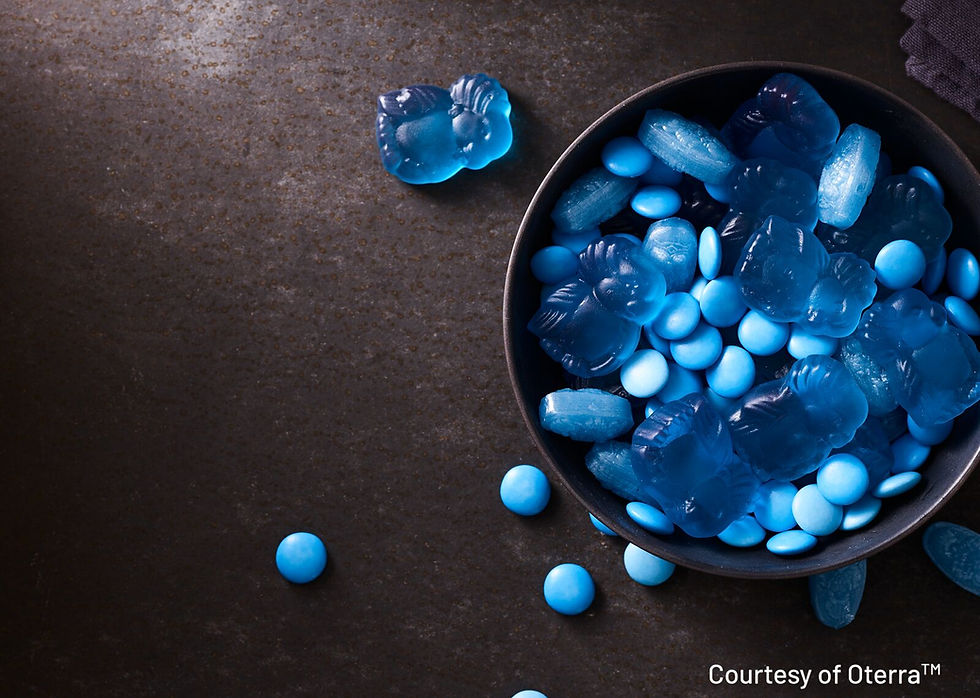
Oterra has launched two naturally-sourced liquid versions of its Jungle Blue and Arctic Blue natural colours, previously available in powder format only.
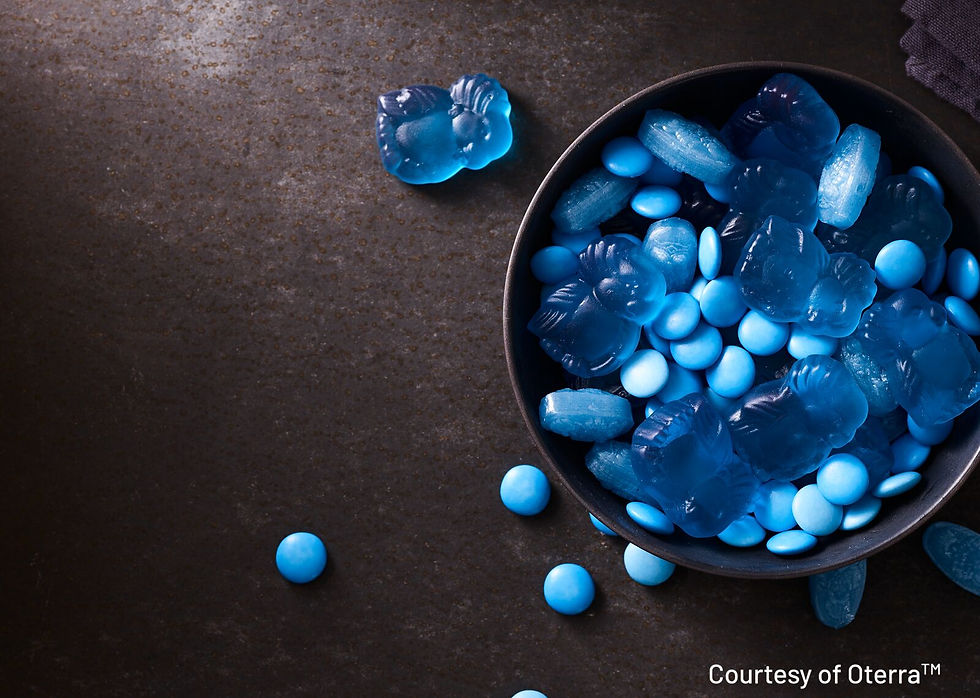
The solutions give food and beverage producers a choice of formats to achieve natural bright blues, and a palette of greens and purples when blended.
They are a further development of two of Oterra’s most recent innovations in creating blue colours from natural source: Jungle Blue is extracted from Colombian Jagua fruit, while Arctic Blue is made from spirulina.
Blue was found to be one of 2025’s fastest growing food colours, with Innova data showing that over 10,000 food and beverage products were launched containing a blue colour last year, up from around 6,000 in 2021.
ColorFruit Blue 901 WS Jungle Blue aims to fill a key gap in naturally sourced blues: many natural blues struggle with low pH, heat, regulatory limits or high cost. Jungle Blue is designed to provide a stable, reliable alternative that can blend to create vivid jewel-tone purples and greens.
FruitMax Blue 1512 WS Arctic Blue is made from spirulina from Iceland, using an indoor, tech-led cultivation process that creates a vivid, natural blue colour with a low carbon footprint.
Phil Cook, head of strategic marketing at Oterra, said: “Liquids have many properties that make them a powerful addition to applications in food and beverage. They disperse immediately to create a uniform colour without the need for pre-mixing. They are also easier to handle as they are pumpable and don’t create dust when processing.”
He added: “Traditionally, much of the blue that we see in food and beverages has come from artificial sources. The regulatory and consumer landscape is changing and the demand for naturally derived blues is increasing. To meet this demand, having multiple blues in different formats is important for manufacturers.”

Related posts