The latest news, trends, analysis, interviews and podcasts from the global food and beverage industry


US food tech company Superbrewed Food has moved into commercial production of its fermentation-derived protein ingredient SB1, partnering with German ingredients group Döhler and securing a strategic investment from Döhler Ventures, as demand for functional protein accelerates across sports and lifestyle nutrition.
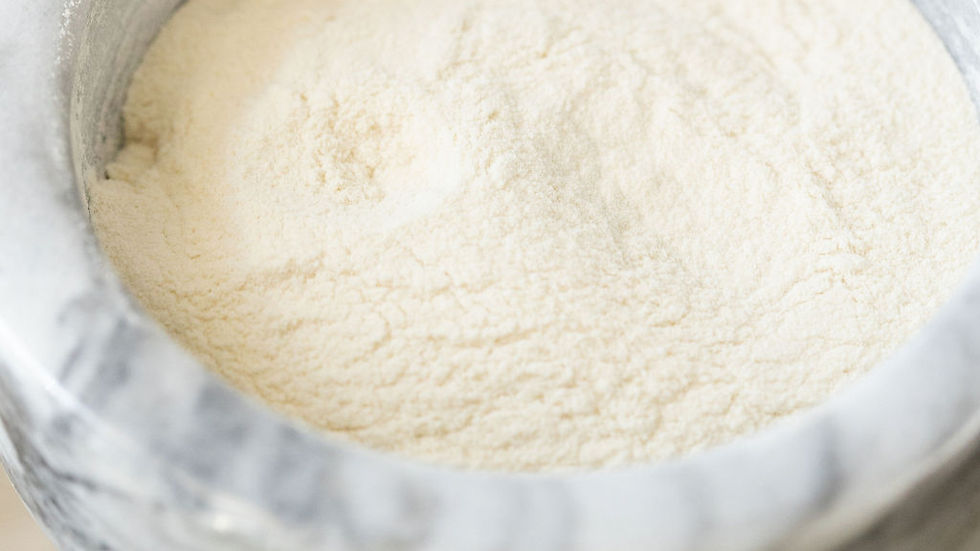
The company says that SB1 is now being manufactured at a Döhler production site in Europe, marking what Superbrewed described as the first commercial-scale output of an FDA-reviewed, GRAS-notified 'postbiotic cultured protein'.
Initial volumes are shipping into premium sports nutrition applications in the US.
The tie-up provides Superbrewed with access to Döhler’s global manufacturing network – which spans more than 45 production sites and operations in over 160 countries – as well as formulation expertise and customer channels.
For Döhler, the move deepens its exposure to fermentation-enabled ingredients, a segment gaining traction as manufacturers seek differentiated protein sources with added functionality.
SB1 is produced via fermentation, converting sugar into a whole-food protein ingredient that contains naturally occurring B-vitamins and minerals, allowing finished product manufacturers to make certain structure/function claims.
The ingredient is positioned as allergen-free, non-GMO and vegan, targeting brands seeking clean-label, nutrient-dense formulations.
The commercial launch comes as protein demand is being reshaped by several structural trends. Heightened consumer focus on metabolic health, sugar reduction and satiety – partly influenced by the rise of GLP-1 weight management medications – is driving reformulation across beverages, powders and fortified foods.
Ingredient suppliers are responding with higher-protein, lower-sugar systems and multifunctional components that can justify premium pricing.
Superbrewed’s model, which uses sugar as a feedstock to produce protein, could also appeal to manufacturers looking to reposition carbohydrate inputs into higher-value nutritional outputs.
In an environment where sugar reduction remains a priority, the ability to convert sugars into protein ingredients offers a potentially compelling sustainability and margin narrative.
Financial terms of the Döhler Ventures investment were not disclosed. However, the equity stake signals a longer-term strategic alignment rather than a simple toll-manufacturing agreement, and suggests confidence in scaling capacity beyond the initial phase.
The companies said they plan to expand production and advance broader commercialisation in 2027.