The latest news, trends, analysis, interviews and podcasts from the global food and beverage industry






Few developments have captured public attention quite like the uptake of GLP-1 medication use. Originally created to treat diabetes and extended to support weight loss, they’ve now entered mainstream life, changing how people think about food, drink, health and satisfaction. Marina Migueli, global marketing director for Starches, Protein and Mouthfeel at Tate & Lyle, explores how this uptake in the use of weight-loss medications has redefined better-for-you options across food and beverage.
Across Mintel’s scenarios, full-time GLP-1 use globally is forecast to span from 103 million adults at the low end to 485 million at the high end by 2030.
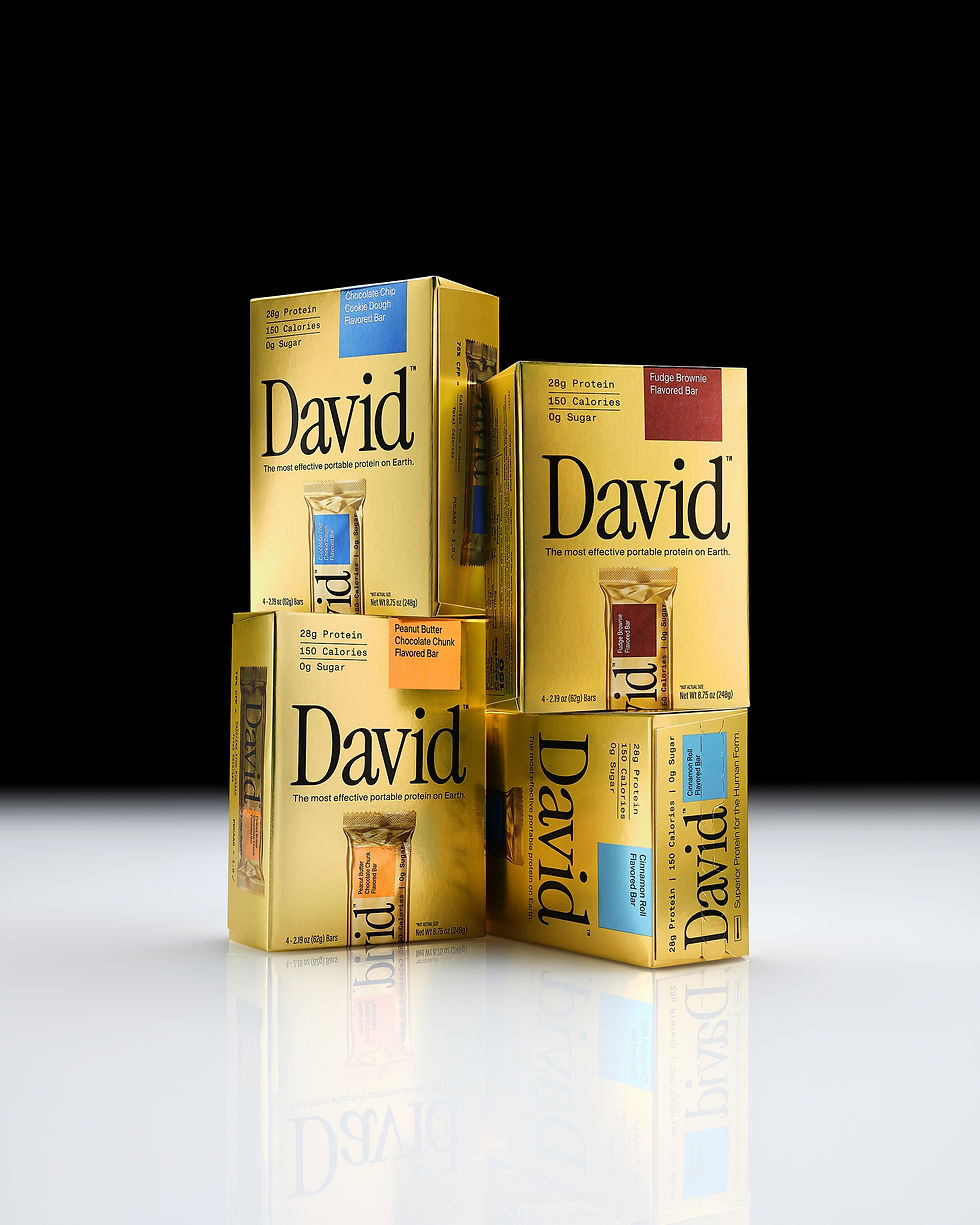
This shift is redefining expectations of food and beverage experiences, with mouthfeel playing a central role. As medication-induced appetite suppression makes every bite more intentional, consumers are gravitating towards foods that deliver comfort and functionality in balance. Our research shows that smooth, creamy shakes and light, crispy snacks are particularly appealing – offering emotional reward alongside nutritional value.
We see three connected groups shaping this shift – current GLP-1 medication users, former GLP-1 medication users, and health-conscious non-users. What these groups have in common is a desire for nutritious food that still tastes great – high protein, fibre and clean labels, without giving up the pleasure of eating and drinking.
Mastering mouthfeel helps brands retain consumers who now eat with more intention, and that's where formulation expertise makes the difference.
Why mouthfeel matters more than ever
Indulgent texture doesn’t have to come from sugar or fat. We can reimagine it through ingredient systems that replicate those same sensory cues, building better-for-you products with fibre for fullness, starches for structure, pectin for hydration and sweeteners for balance. But crucially, it’s how these components come together to shape the eating experience that determines whether a product succeeds.
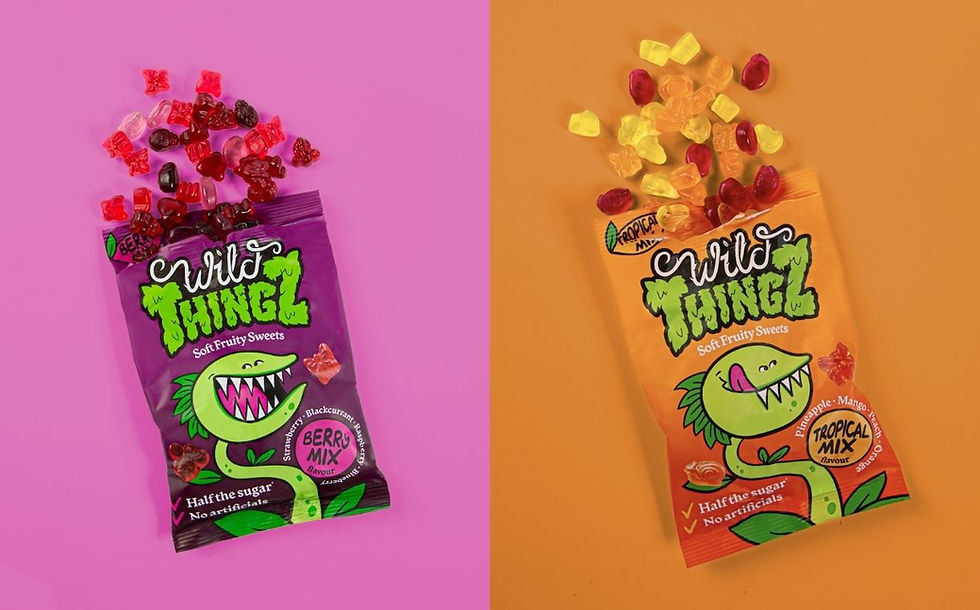
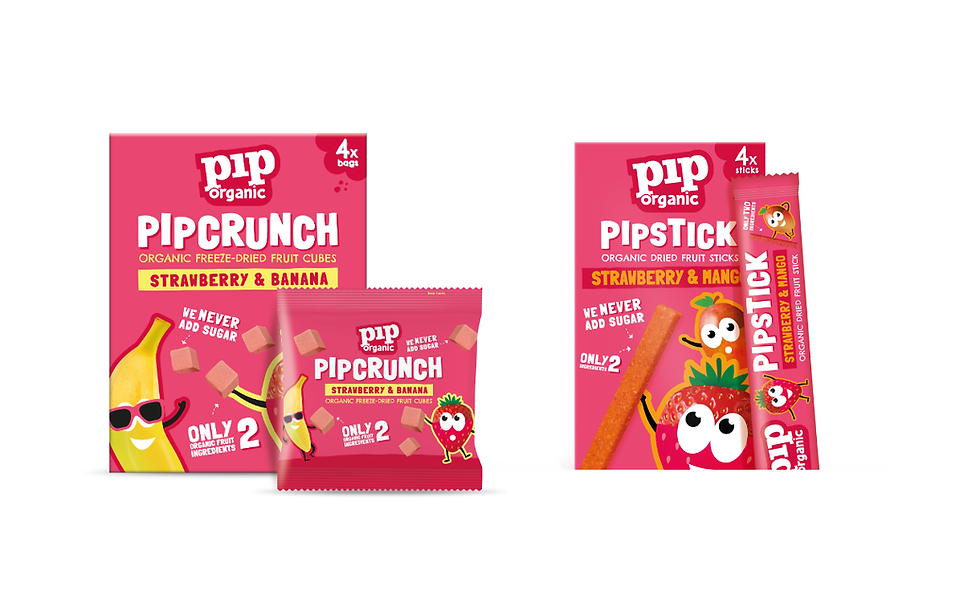
Mouthfeel is now a strategic tool for understanding what consumers genuinely look for in food and drink. Smooth, creamy textures are essential when reducing sugar or fat – they protect indulgence while improving nutritional profiles. Crunchy, chewy or airy formats can add volume, helping lower-calorie or higher-fibre products feel just as satisfying. When we reformulate, texture isn’t cosmetic; it’s how we make healthier products genuinely enjoyable.

GLP-1 medication users: Appetite is down, expectations are up
Active GLP-1 medication users are reshaping eating patterns – not just by their reduced appetite but also by the wider influence of their shifting motivations and food and drink choices. Consumers tell us they are looking for food that nourishes, supports health and still feels rewarding to eat or drink.
In smaller portions, every bite and sip carries more weight, and mouthfeel plays an outsized role in making that reduced intake feel like the right choice, striking a real balance between health and food joy. It’s where consumers sense comfort and trust. And when formulation changes, it’s often the first thing they notice.
Our research shows that current GLP-1 medication users are highly sensitive to texture in functional shakes. At least 40% say they want products that feel less artificial, chalky or grainy and instead deliver creamy, smooth and full-bodied mouthfeel.
Importantly, preferences diverge as usage evolves. Former users and those transitioning off medication often look for different taste and texture cues, reflecting changing appetites, tolerance levels and emotional needs. This variation highlights why a single formulation approach won’t meet every consumer’s expectations – and why mouthfeel strategy needs to flex by user stage, not just category.
Former users: Sustaining habits after treatment
It’s not just current users that brands need to consider. Former users navigating post-treatment appetite rebound, when food noise returns, are actively seeking foods that help them maintain progress, and satiety is top of mind. As users transition off GLP-1 medications, they continue to seek out food and drink that helps them feel fuller for longer. Building new long-term habits, without the support of medication, becomes the goal. In fact, 41% of former users report they 'almost always' read ingredient labels, with another 51% doing so 'sometimes'.
Without nutritional support, these consumers often return to previous eating habits, especially when better-for-you options fall short on taste and texture. A randomised controlled trial found that users regained 66% of their original weight loss within one year of ending GLP-1 treatment, and former GLP-1 medication users tell us they must form new eating habits once they cease treatment. There is a real opportunity here to deliver on both nutrition and taste, and to support consumers who expect more from their food.
Health-conscious non-users: Similar dietary priority shifts, without the medication
Meanwhile, a fast-growing cohort of health-conscious non-users is making similar shifts – choosing to quiet food noise on their own terms. Without medication, they’re seeking nutritionally complete options that genuinely satisfy appetite, support good habits, and deliver satiety.
For this cohort, indulgence must feel earned, not excessive. Satiety should come from texture and nutrition working together. And mouthfeel has become a key part of how value is perceived – not just in terms of cost, but in terms of the experience.
Each group is redefining what it means for food and drink to be functional, enjoyable and emotionally satisfying. And they’re doing so with a sharper lens on value, not just in terms of cost, but in terms of experience.

Redefining nourishment
GLP-1s are reshaping the conversation around food and drink. Whether consumers are navigating medication-linked reduced appetites, adjusting to changes post-medication use, or boosting their fibre and protein intake, their needs converge around a clear expectation: food and drink must work harder to satisfy their physical, nutritional, and emotional needs.
This goes beyond macros. It's about how products feel to eat and drink. What signals richness in smaller portions? What creates a sense of fullness or evokes joy?
This is a moment for all of us to reimagine what nourishment looks and feels like. Mouthfeel isn't an afterthought. It's central to helping people build healthier habits that last. Because when appetite is down, and the stakes for every bite are higher, the experience of eating becomes the product.