The latest news, trends, analysis, interviews and podcasts from the global food and beverage industry





Rising input costs, supply chain disruption and extended payment terms are forcing food and drink SMEs to rethink how they operate. Mark Finn, chief revenue officer at eCapital UK, explores how manufacturers are responding by changing their approach to procurement, investing in new technology and planning for uncertainty, whilst highlighting the importance of working capital to support those decisions.
Food and drink manufacturers have spent much of the past few years responding to disruption.
The challenge is no longer a question of dealing with individual shocks but adapting to an operating environment in which higher costs, supply volatility and squeezed margins have become persistent.
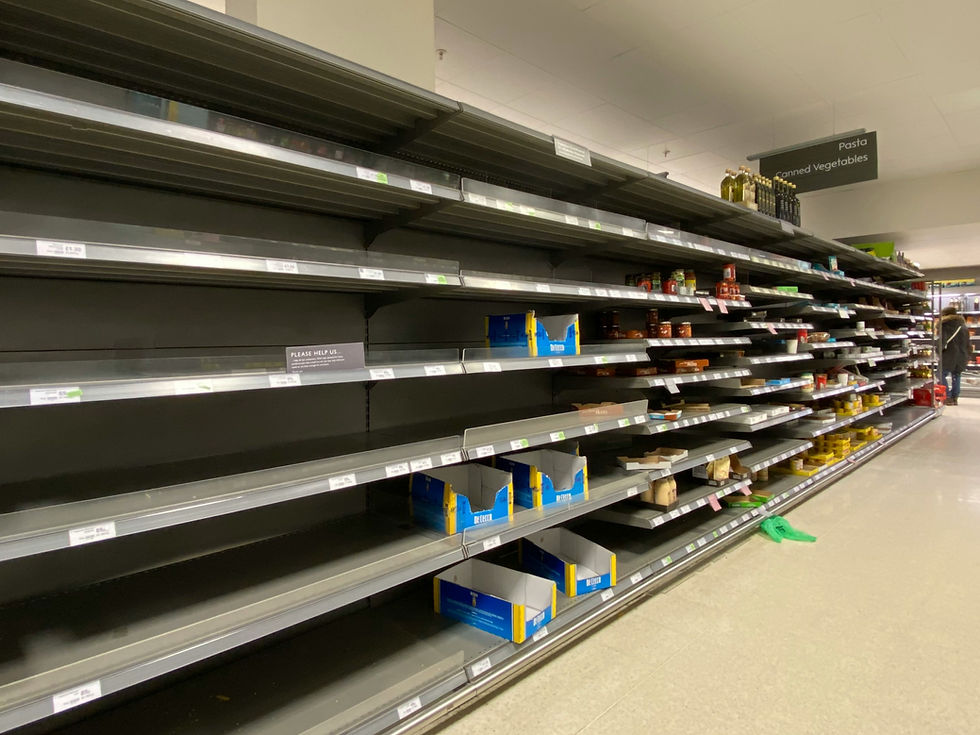
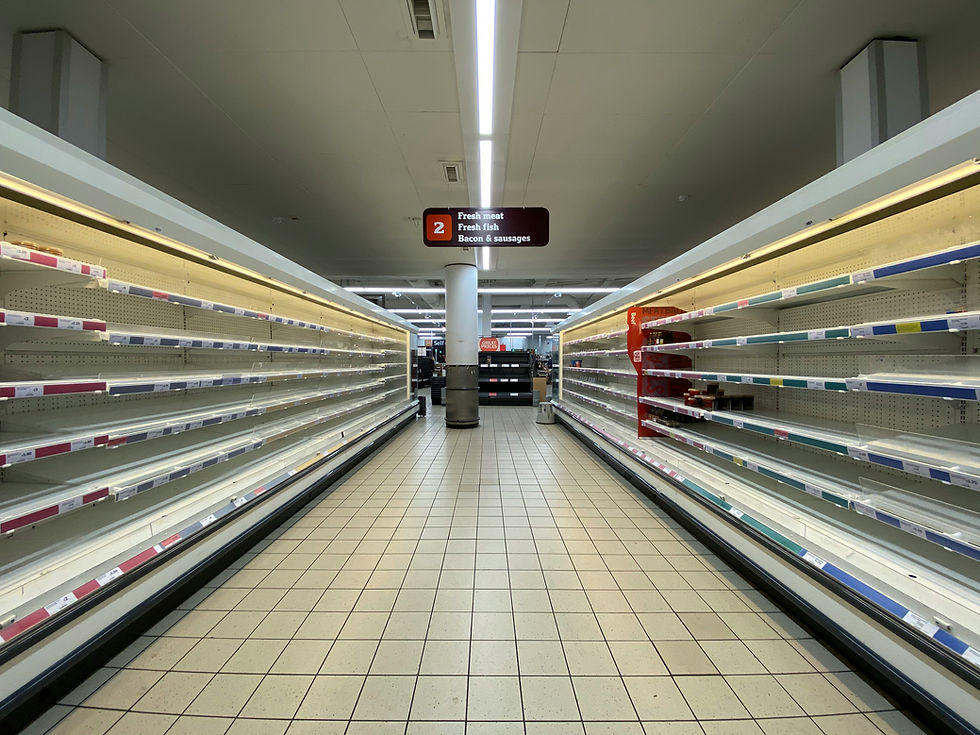
Labour, energy and raw material costs remain under pressure, while supply chain disruption, trade friction and extended retailer payment terms continue to challenge margins and cash flow. Food manufacturing insolvency rates have risen nearly three times faster than those across wider manufacturing since 2019, while production costs increased by 4.4% in 2025, with smaller businesses in the sector seeing an even higher increase of 5.3%.
Against that backdrop, resilience is not simply having a contingency plan for when something goes wrong. It means building flexibility into the way a business operates every day.
Our conversations with food and drink SMEs suggest that manufacturers are not simply trying to cut costs. They are becoming more proactive about where they source ingredients, how they plan production, where they invest and how they prepare financially for different scenarios.
The challenge is that many of the decisions that strengthen resilience require cash up front, often well before the commercial benefit is realised.
Looking beyond the supplier on the balance sheet
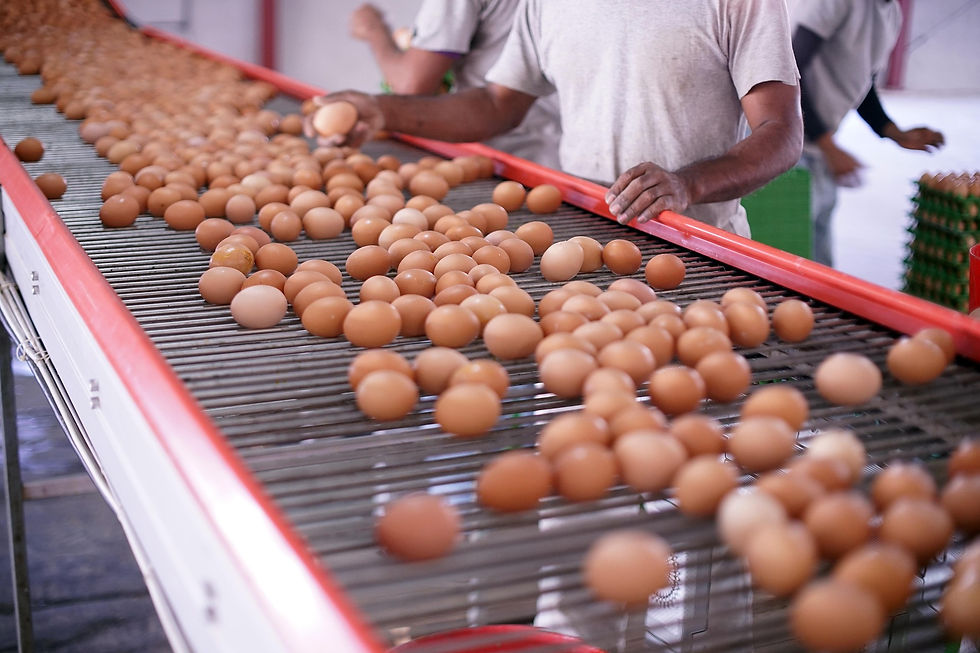
Procurement is one area where this change is particularly visible. Atkins & Potts, a Berkshire-based condiment and sauce manufacturer, experienced input cost increases of almost 60% over an 18-month period. Avian flu affected egg supply, while energy and feed costs linked to the war in Ukraine and rising packaging costs added further pressure.
Rather than simply absorbing those increases, the business reassessed its supplier base. After establishing that it was being overcharged by a UK intermediary, it moved away from that relationship and began sourcing some commodities directly.
For smaller manufacturers, this kind of decision is becoming increasingly important. Procurement is no longer only about availability or unit cost, it is also about understanding where margin is being lost across the supply chain and whether different sourcing models can create greater control.
Direct sourcing can bring greater control and potentially reduce costs, but it can also change the timing and scale of payments. Buying directly may mean committing to larger orders or paying suppliers earlier, increasing the amount of working capital tied up in stock.
For an SME already operating with limited financial headroom, the question is not only whether a procurement decision makes commercial sense, but whether the business has the cash available to execute it.
Securing supply before the pressure arrives
Daily Dose, a cold-pressed juice manufacturer, is taking a similarly proactive approach to supply. The business is contracting directly with growers earlier in the season to secure ingredients before competing demand pushes prices higher. Rather than waiting for shortages or price increases to materialise, it is trying to anticipate them and secure supply in advance.
It is also investing in AI-powered planning tools and exploring automation for repetitive factory tasks. These decisions show how supply chain and technology investment are becoming part of the same resilience strategy: improving visibility, securing the right inputs and using resources more efficiently.
The financial implication is straightforward. Ingredients may need to be paid for months before they are sold, while technology and automation require investment before efficiencies are realised. Building resilience therefore means planning not just what to invest in, but how those investments will be funded.

When growth creates the next cash-flow challenge
The same issue becomes particularly acute when an SME wins new business.
Taking on a major retail contract can be a significant growth opportunity, but it may require a manufacturer to purchase additional ingredients and packaging, increase production, take on labour or invest in equipment well before the resulting revenue reaches the bank account.
A retailer might pay several weeks after delivery, while many of the costs associated with fulfilling the order have already been incurred. That means growth can create a cash-flow squeeze before it creates a profit uplift.
Liam White, co-founder of Dr Will's natural condiments, described how the business approaches this uncertainty by building layered financial models that account for factors including wage increases, National Insurance changes and energy costs.
Rather than waiting for certainty, the business stress-tests different scenarios and considers what happens if costs rise further or trading conditions change.
This is an increasingly important mindset for SMEs. This kind of scenario planning is becoming less about predicting the future and more about understanding how much pressure the business can absorb. It can also expose where growth might create funding requirements before a contract is signed or production is scaled up.
A company can be profitable on paper while still finding itself constrained if the costs of fulfilling new orders fall significantly ahead of customer payments.
Working capital should support the strategy
This is where working capital moves from being a reactive concern to a strategic one. Working capital is often treated as something businesses turn to when cash is already under pressure. But if a manufacturer knows it wants to secure supply earlier, invest in technology or pursue larger contracts, waiting until the cash-flow gap appears can limit its options.
For growing SMEs, finance needs to support decisions that are being made as part of wider growth and resilience strategies, rather than simply plugging an unexpected shortfall.
Alternative finance can play an important role here, particularly where the issue is one of timing rather than underlying profitability. Invoice finance, for example, can help businesses access cash tied up in outstanding invoices rather than waiting for customers to pay. For a manufacturer dealing with extended retailer payment terms, that can help bridge the gap between paying for production and receiving the resulting revenue.
The principle is not that every business needs the same solution. It is that finance should reflect how the business operates, where cash becomes tied up and what management is trying to achieve.
If working capital is considered only after a business has become stretched, opportunities to strengthen the supply chain or invest for growth may already have been missed.

Resilience needs financial flexibility
The examples of Atkins & Potts, Daily Dose and Dr Will's show that food and drink SMEs are not simply accepting the pressures facing the sector. They are changing how they source, plan and invest.
But those decisions all have a financial consequence. Securing ingredients earlier requires cash. Changing suppliers can alter payment terms. Automation requires upfront investment. Winning a major retailer can widen the gap between production costs and customer payment.
That makes financial flexibility part of operational resilience, not a separate consideration. For food and drink SMEs facing a more volatile operating environment, working capital needs to be planned alongside procurement, production and growth.
The businesses best placed to navigate the next few years may not be those that can predict every change, but those with enough operational and financial flexibility to respond when conditions shift, and to act when the right opportunity comes along.