The latest news, trends, analysis, interviews and podcasts from the global food and beverage industry






As consumers become increasingly overwhelmed by the demands of managing their health, wellness is shifting away from constant optimisation towards products and choices that fit more naturally into everyday life. Jason DaPonte, managing director at Magnetic, explores what this means for food and beverage brands and their approach to innovation.
It’s never been easier to take control of your health. In just a few clicks, you can ask AI about your symptoms, track your sleep score, order personalised supplements or monitor almost every aspect of your wellbeing.
On the surface, that should be a good thing. For years, we’ve encouraged people to take more responsibility for their health rather than rely solely on healthcare systems designed to treat illness after it appears.
Yet despite having almost unlimited access to information, products and tools, people are feeling increasingly exhausted by the pursuit of wellness. Managing your health now comes with a growing list of decisions, responsibilities and things to think about. Don’t say it too loud, but it’s quickly become another form of work.
Faced with an avalanche of available data, people are asked to evaluate ingredients, interpret biomarkers, decide which expert to trust and work out whether the latest health trend is worth paying attention to, all while juggling work, family and everyday life. Even something as simple as eating has become an exercise in optimisation. Consumers are bombarded with advice about how much protein, fibre or specific nutrients they should be getting, and brands are responding with a multitude of products designed to help them meet these targets.
The rise of this self-health economy has quietly shifted the responsibility away from institutions and onto individuals. That might sound empowering, but for many people it feels exhausting.
Confusing optimisation for wellbeing
The global wellness industry reached $6.8 trillion in 2024 and is projected to grow to $10 trillion by 2029.
From supplement brands promising to improve cognitive performance to wearable tech designed to track metrics such as sleep and performance, there’s no shortage of ways that people can seemingly improve their ‘wellness’.
However, many solutions marketed today continue to place the burden of action on the individual. Consumers are expected to absorb vast amounts of information and turn it into meaningful behavioural change. Instead, many are left navigating an endless stream of data, social media advice, trends and product claims, from how much protein they need each day to whether they should be choosing products with added probiotics. This can leave them feeling more drained than when they first started.
Most people already know the basics of good health – sleep, eating well and staying active. The challenge isn’t necessarily a lack of awareness, but finding the time and energy to consistently act on this knowledge. And this influx of extra information, far from being helpful, just adds to the mental overload.
This is where much of the wellness industry gets it wrong. This shift presents a different opportunity for food and beverage brands. Consumers are increasingly looking for products that support their health without asking them to take on another task or routine.
Take longevity. The wellness industry often focuses on extending lifespan, but Magnetic’s consumer research found that 78% would rather prioritise prolonging their independence than simply living longer. They don’t want to spend another decade tracking biomarkers or following complicated protocols. They want the energy and the physical capability to enjoy their lives.
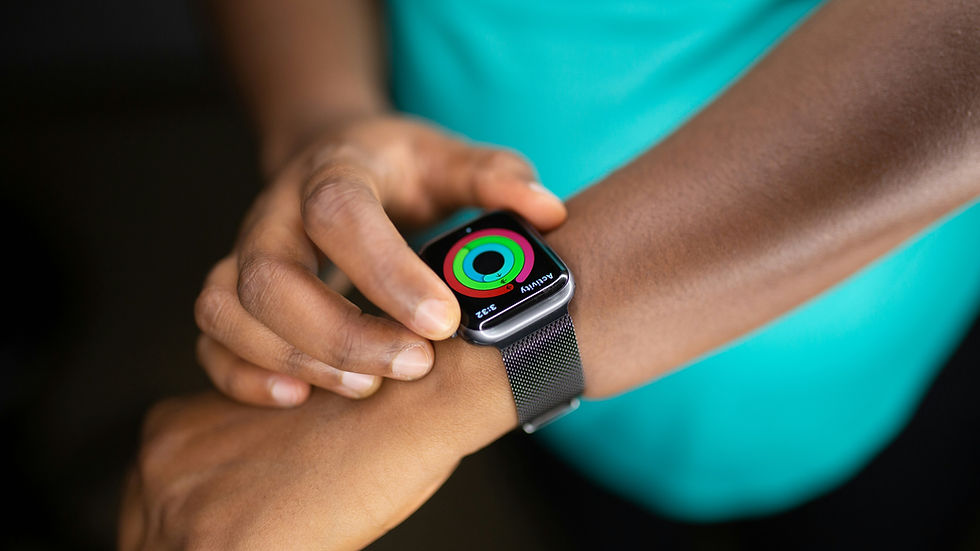
We’re already seeing this shift reshape health technology. People have embraced wearable tech, but the most interesting developments are coming from brands that do more than collect data.
Oura’s AI Advisor, for example, translates biometric information into personalised coaching rather than simply presenting another stream of numbers. Similarly, wearables such as Levels, Nutrisense and Signos combine glucose monitoring with tailored dietary advice. More recently, Garmin has launched its newest wearable, CIRQA. Rivalling Whoop, this tracker is designed to be worn day and night and offers insights on your workouts and sleep, giving recommendations and offering personalised sleep coaching.
Information only becomes valuable when it reduces effort. When it creates more work, it risks becoming another source of stress. Most people don’t need another dashboard that tells them they’ve slept badly last night (most of us can tell that without a fancy gadget). They need help sleeping better tonight; they need help losing weight – they need to turn data into behaviour change.

The future of wellness should feel effortless
This creates an important challenge for brands and manufacturers. It could mean reconsidering how innovation is framed. If consumers have to understand another claim or change their behaviour, the product just adds to the very cognitive load wellness is supposed to reduce. The opportunity is to make those benefits feel useful and relevant without asking consumers to think harder about what they are buying.
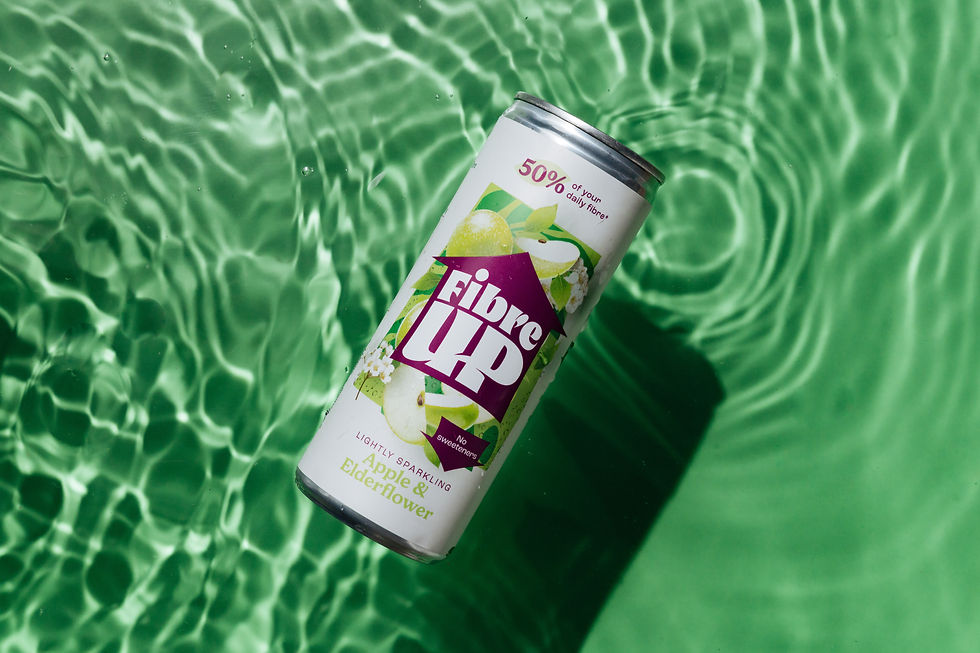
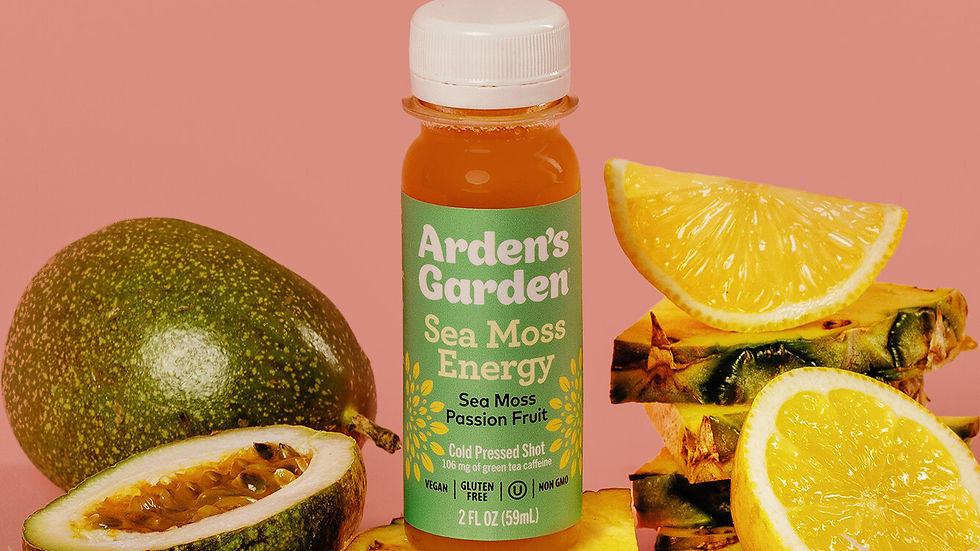
We’re already seeing signs of it. People may never buy a product because it promises cellular repair, but they might choose an afternoon drink with added nootropics designed to help them focus, or a prebiotic soda that quietly supports gut health. In both cases, the long-term health outcome is delivered without demanding another routine or item added to the to-do list.
This idea of 'stealth longevity' reflects how people actually live. Most people don’t want to become biohackers, nor do they have the time. They’re simply looking for healthier choices that fit seamlessly into everyday life.
Behind this sits a bigger question for the food and beverage industry. If we know people are overwhelmed, what responsibility do brands have?
For years, the wellness sector has been built around continuous optimisation. There’s always another supplement to try or another metric to track. Yet the foundations of health haven’t changed. The industry instead has to design systems, products and experiences that make healthier behaviours easier to maintain.
The next phase of wellness shouldn’t be measured by how much information it gives people, but by how much effort it removes from their lives. Because the future of health will belong to those that who make wellbeing feel effortless.