The latest news, trends, analysis, interviews and podcasts from the global food and beverage industry





New research reveals that the number of global patent applications for high-protein foods hit a record high of 5,626 in the year to 30 June 2026, up from 5,148 the previous year.
The research, by intellectual property (IP) law firm Mathys & Squire, analysed patent applications data sourced from Patentscope and the World Intellectual Property Organisation.
It found that within five years, there has been an 80% increase in the number of patent applications filed, compared with the 3,122 filings made in the year to 30 June 2021.
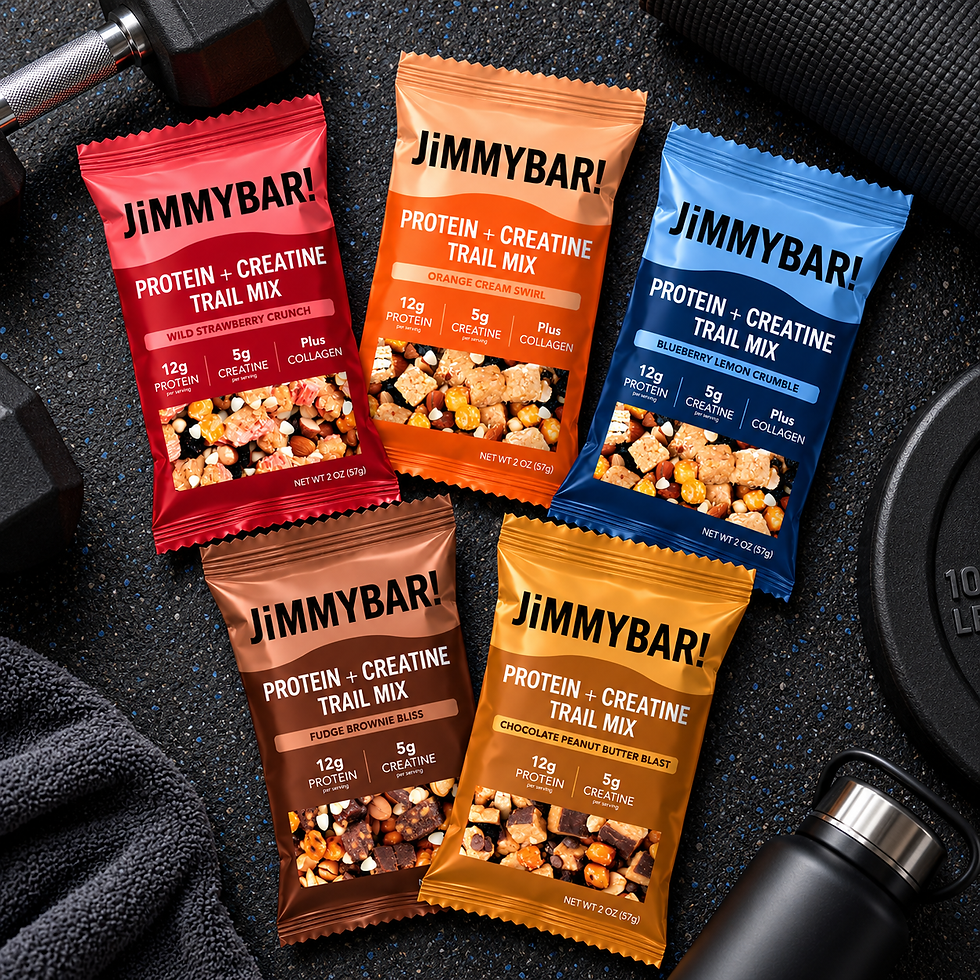
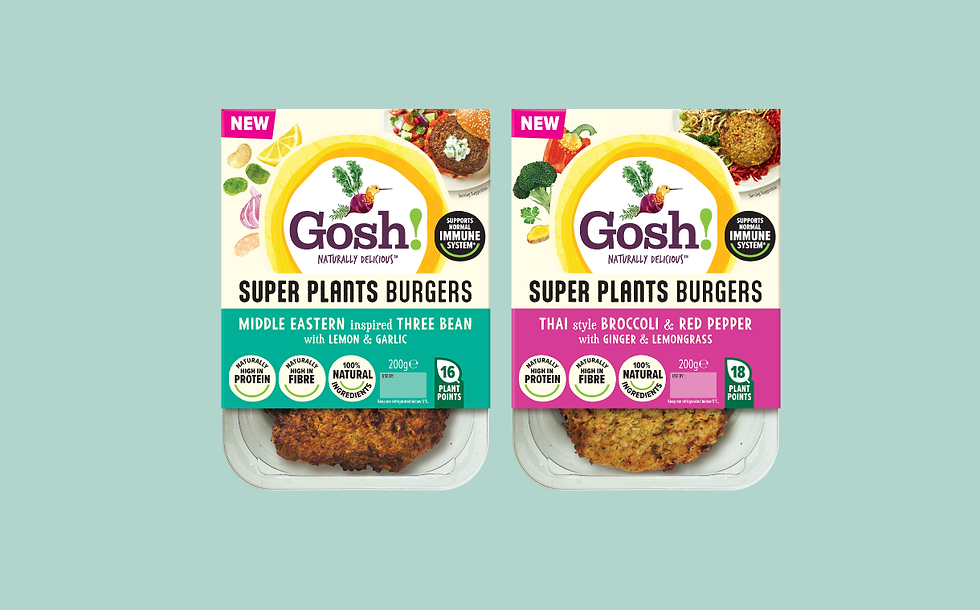
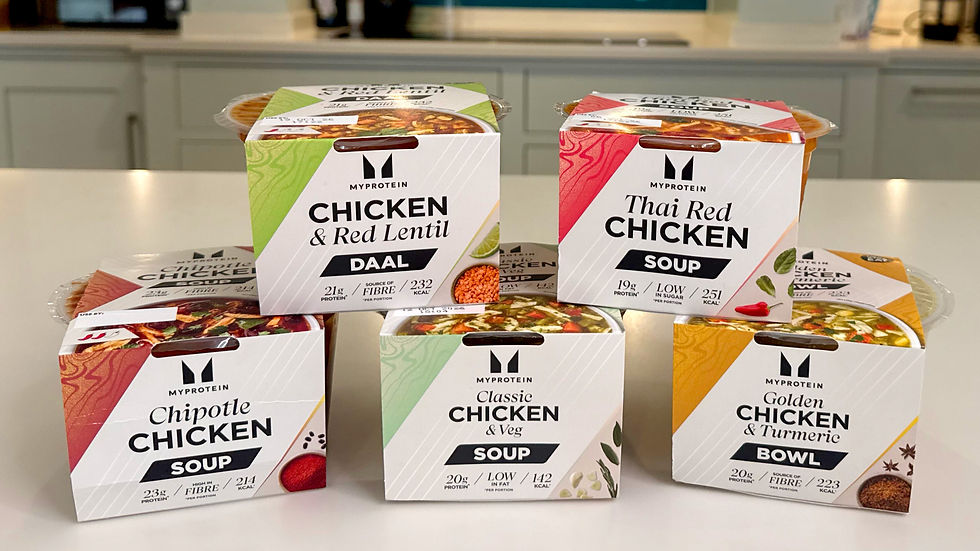
Growth in demand for functional, high-protein foods has been driven by the growing number of consumers seeking to lose weight or support muscle growth – including those taking GLP-1 receptor agonist medications – with protein-boosted products shifting from the supplements arena and into the mainstream.
Additionally, the firm noted that the US federal government’s Dietary Guidelines for Americans emphasise notably on protein, inverting the traditional food pyramid to place protein at the base.
Interestingly, Michael Stott, partner at Mathys & Squire, observes the trend towards high-protein foods as a “natural continuation of the earlier drive to develop meat alternatives,” with many of the techniques used to create these products now being used to develop high-protein products across other applications.
“Demand for high-protein foods is so strong that manufacturers are looking for every possible way to add protein to their best-selling products. That has fuelled a wave of innovation in the food industry,” he commented.
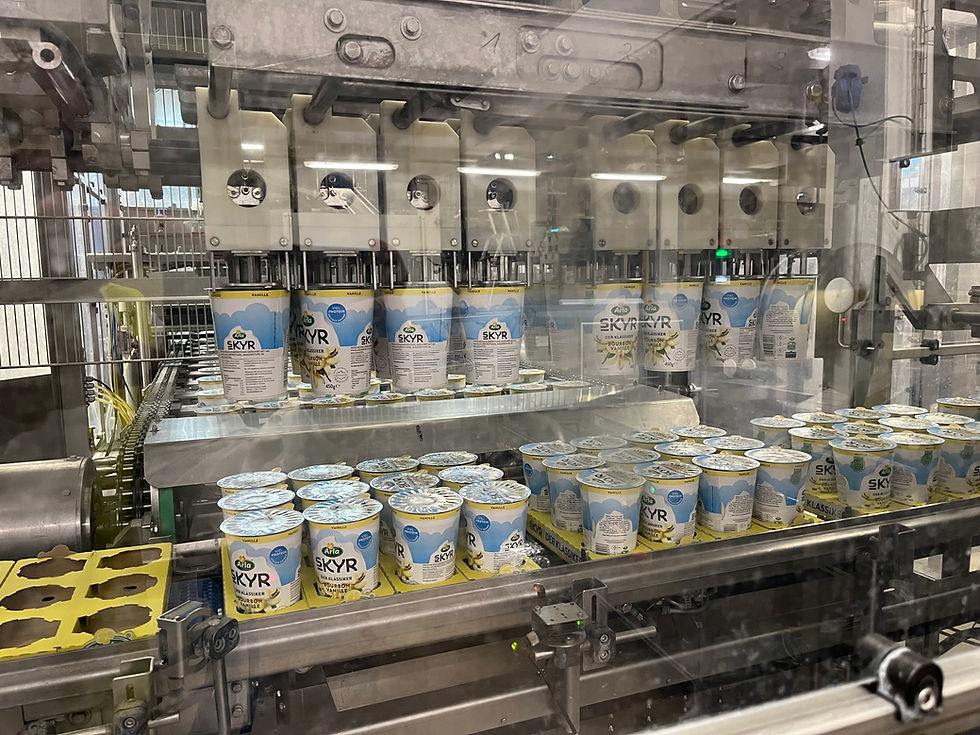
Nestlé, Cargill and Arla are among the world’s top patent filers for high-protein food technologies, with 58, 46 and 28 patents filed in the last year respectively, according to the research.
Examples of technologies that were subject to patent applications included a plant-based whipping cream with more than twice the protein content of traditional whipping cream; a protein ingredient developed from microorganisms that can be used in industrial confectionery; a ready-to-drink, high-protein beverage that replicates the smell, texture and flavour of milk; and a high-protein dough made with whey microparticles, to be used in pastries.
“The goal for a lot of major food manufacturers has been to increase the protein content of some of their products, without changing the taste or appearance consumers expect,” Stott said, highlighting “new and disruptive” approaches, such as the use of insect protein and microbial proteins.
“This research is creating a vast library of hugely valuable intellectual property for food companies. Over time, that IP becomes a significant component of their valuations.”