The latest news, trends, analysis, interviews and podcasts from the global food and beverage industry





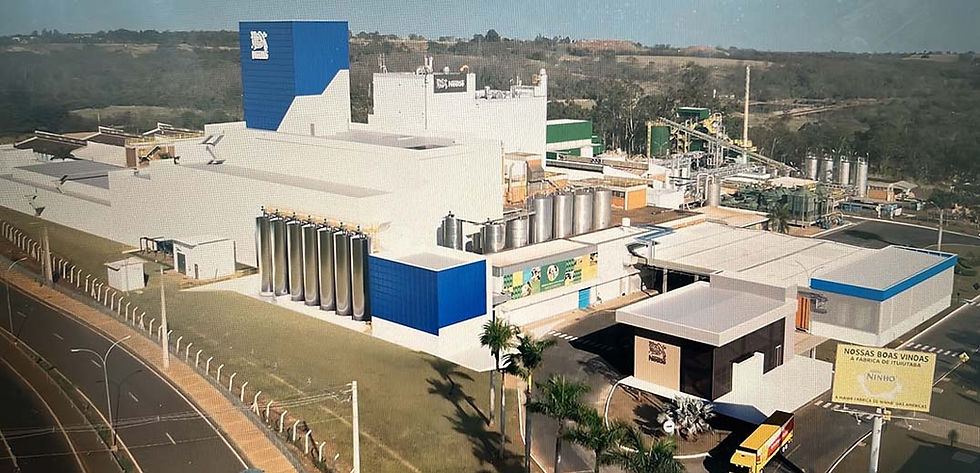
Nestlé is investing CHF 310 million (approx. $383 million) in its nutrition and health business in Brazil through 2028, including the construction of a new infant formula manufacturing facility in Ituiutaba, Minas Gerais.
The CHF 94 million (approx. $116.2 million) plant will produce infant formula for the Brazilian market as well as for export, giving Nestlé additional manufacturing capacity in one of its strategically important nutrition markets.
The investment programme will also include upgrades to Nestlé’s nutrition and health factory in Araçatuba, São Paulo, which serves as the company’s main Brazilian hub for infant, medical and adult nutrition products. Nestlé will also expand production of key ingredients, with whey output set to increase by 15% by 2029.
The Ituiutaba facility is expected to begin operations in the second quarter of 2028 and will create approximately 100 jobs. It will be Nestlé’s second infant nutrition factory in Brazil and will incorporate digital and automated technologies aimed at improving manufacturing efficiency, product quality and food safety.
Jeff Hamilton, CEO of Nestlé Zone Americas, said: “Nutrition is one of Nestlé’s key categories globally and today accounts for around 20% of Group sales. Brazil is a strategic market for this business, and this investment will expand local production capabilities while increasing access to high-quality, science-based nutrition products.”
The investment reflects Nestlé’s strategy of increasing production capacity closer to major consumer markets as demand for nutrition products grows.
Brazil is one of Nestlé’s most important markets globally, and the company sees further potential in infant and broader nutrition categories. Expanding domestic manufacturing is expected to allow the business to respond to demand while also creating additional export capacity.
The planned increase in whey production will further strengthen Nestlé’s local ingredient supply for nutrition products. The company expects output to rise 15% by 2029 as part of the wider investment programme.
The Ituiutaba plant’s use of automation and digital manufacturing technologies also points to Nestlé’s focus on modernising its production infrastructure. The company said the technologies will support efficiency while maintaining standards around product quality and food safety.
The project is expected to contribute to regional economic development through new employment, increased production and investment in the local supply chain.
For Nestlé, the expansion reinforces the strategic importance of nutrition and health within its global portfolio. With the category accounting for approximately one-fifth of Group sales, Brazil is being positioned as an increasingly important production and growth hub for the business.