The latest news, trends, analysis, interviews and podcasts from the global food and beverage industry



MyriaMeat has announced a new milestone in the cultivated meat sector, revealing that its research team has successfully generated a pluripotent stem cell line from roe deer and differentiated the cells into roe deer muscle tissue using the company’s proprietary protocol.
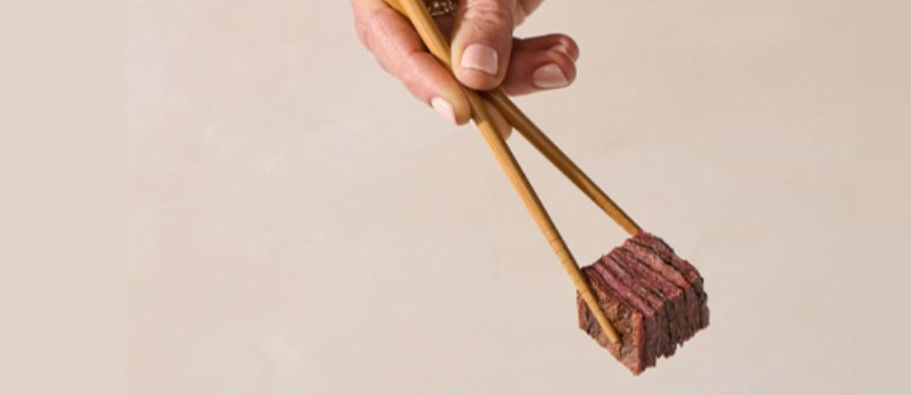
The development marks what the company describes as the first successful creation of roe deer muscle cells from induced pluripotent stem cells (iPSCs), laying the groundwork for future cultivated venison products, including cultured roe deer fillet.
The announcement expands MyriaMeat’s cell-cultivation platform beyond pork and signals growing momentum in the premium cultivated meat category, where companies are increasingly exploring species-specific applications and high-value speciality proteins.
According to MyriaMeat, the new roe deer iPSC line demonstrates that its stem cell platform can be transferred across animal species, enabling the development of cultivated meat products that replicate traditional meat characteristics rather than plant-based alternatives.
The company said the breakthrough centres on the production of authentic muscle cells intended for structured meat applications. Future development efforts will focus on optimising differentiation processes, characterising the new cell line, and advancing toward structured, cultivated venison cuts.
Florian Huettner, CEO of MyriaMeat, said, “This milestone shows that our platform technology is not limited to individual animal species but can be transferred to other species. Roe deer meat from cell culture is no longer a vision for us—it is a concrete next step in development.”
The Munich- and Goettingen-based biotech company said the achievement builds on earlier work in cultivated pork and highlights the scalability of pluripotent stem cell technologies for alternative protein production.
Roe deer meat occupies a niche but highly regarded position within European culinary traditions, valued for its distinct flavour profile and limited availability. MyriaMeat believes cultivated venison could eventually provide food manufacturers and foodservice operators with access to speciality meat products without relying on hunting, conventional livestock systems, or additional pressure on wild deer populations.
The company positioned the development as part of a broader push toward sustainable and ethically responsible protein production, while emphasising that its technology is designed to create “real meat” rather than hybrid or substitute formulations.
Industry observers have increasingly identified premium and exotic meats as a potential early commercialisation pathway for cultivated protein companies, given their higher price points, constrained supply chains, and consumer interest in speciality dining experiences.
Founded in 2022, MyriaMeat emerged from research conducted at the University of Goettingen and focuses on cultivated meat production using pluripotent stem cells.
The company’s patented technology aims to support the production of whole-cut meat products without plant-based fillers or scaffolding substitutes.
While commercialisation timelines for cultivated venison remain uncertain, the successful differentiation of roe deer muscle cells represents an important early-stage step toward future structured game meat products.