The latest news, trends, analysis, interviews and podcasts from the global food and beverage industry




Creatine has become the UK's most searched supplement, outpacing magnesium glycinate and protein powder alike, says Kieran Fisher, founder of Warrior. In this exclusive piece, he explores why the category is booming, who the new consumer actually is and why functional formats and gummies are reshaping how the mainstream buys in.
Creatine has moved firmly into the mainstream, overtaking magnesium glycinate as the UK's most searched supplement across vitamins, sports nutrition and wellness. At the same time, IRI data shows grocery sales rising 81% year on year. Yet the consumer driving demand in 2026 looks very different from the one buying creatine in 2019, with interest increasingly focused on everyday wellness, cognitive performance and healthy ageing. This shift has major implications for food, beverage and wellness manufacturers as consumer expectations continue to evolve beyond traditional sports nutrition.
From niche to necessary
Globally, the creatine supplements market reached approximately $1.37 billion in 2025 and is forecast to grow at 11.5% annually to $2.86 billion by 2030. The UK is growing faster still, with an estimated 14.8% CAGR projected through 2035. This spike marks a significant shift in consumer behaviour.
In the first quarter of 2026, creatine overtook protein powder, electrolytes, collagen, ashwagandha and multivitamins to become the most-searched term across the vitamins and wellness category on Amazon. Demand is growing not only online but across the wider health and wellness landscape, reflecting increasing consumer awareness and adoption.

The most researched supplement in the world
Creatine's reputation was originally established as a performance supplement for athletes looking to increase strength, power output and muscle mass. But our understanding of creatine has evolved significantly since then, and the evidence for its physical performance benefits remains among the most robust in sports nutrition, with decades of peer-reviewed research confirming its role in regenerating ATP, the body's primary energy currency, during short, high-intensity effort.
More recently, research has expanded the conversation beyond physical performance, highlighting creatine's potential role in cognitive function, particularly in tasks requiring rapid mental processing and working memory under conditions of sleep deprivation or mental fatigue. Separate research has also highlighted potential benefits for mood regulation, bone mineral density in ageing populations and metabolic health markers.
For a growing number of consumers, creatine is becoming part of a daily wellness routine, going far beyond gym supplements.
Why the creatine consumer has changed
The creatine consumer today is just as likely to be a 35-year-old woman interested in cognitive performance as a 22-year-old man chasing a personal best. The fastest-growing consumer segments are women interested in body composition and cognitive performance, over-40s motivated by longevity and healthy ageing and general wellness consumers adding creatine to an existing supplement routine alongside magnesium, collagen and omega-3.
These consumers don't want products designed exclusively for gym-goers. They want convenient, enjoyable formats with proven efficacy that fit seamlessly into their daily wellness routines, reshaping demand across the wider wellness category.

The rise of everyday formats
What we're seeing in the data is a category in transition. Flavoured creatine grew 121% year on year versus 73% for unflavoured, signalling that consumers are increasingly prioritising convenience, taste and everyday usability alongside efficacy.
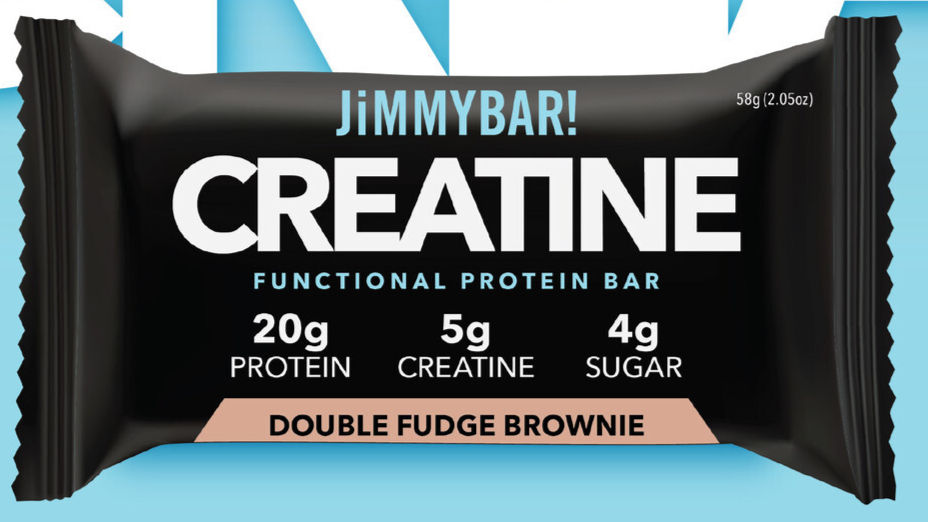
The more significant shift is towards functional creatine and the growing appetite for products that combine creatine with complementary active ingredients to address specific consumer need-states. Creatine with electrolytes for hydration and performance; creatine with collagen for joint health and body composition; creatine with multivitamins for overall nutrition. Each combination is grounded in science, not marketing. Amazon search data reflects the same trends – consumers are already searching for these combinations.
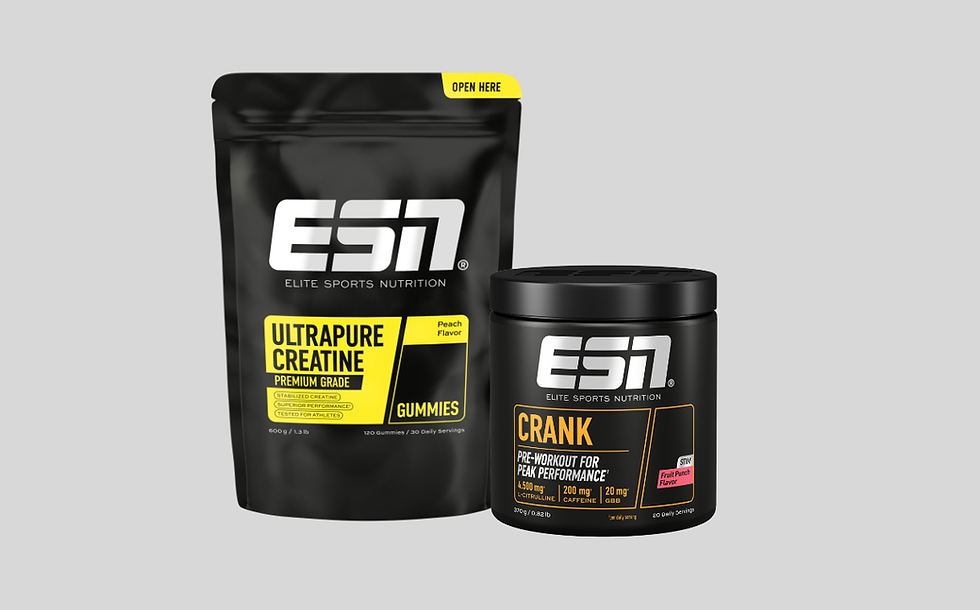
Gummy-format supplements have reshaped how mainstream consumers enter new supplement categories. Mushroom gummies, sleep gummies and collagen gummies have each driven category penetration beyond what powders or capsules achieved because they meet consumers where they are: accessible, approachable and already part of a daily vitamin ritual.
Creatine gummies are already among the top 20 supplement search terms on Amazon UK. The growth of these formats highlights how consumer expectations are evolving and why innovation within the category is accelerating.
The pattern is clear – gummies are often the format through which mainstream wellness consumers discover new supplement categories. Mushroom, sleep and collagen gummies have all surged. Creatine gummies continue to gain visibility as consumer awareness broadens and category adoption expands.

The future of creatine
Functional creatine will become expected rather than novel. The search data shows consumers are already looking for creatine combined with electrolytes, collagen and vitamins, reflecting a broader shift towards products that deliver multiple wellness benefits in a single serving. As the category matures, consumers are likely to place increasing value on convenience and functionality alongside efficacy.
At the same time, gummy supplements continue to be one of the fastest-growing formats within vitamins, minerals and supplements. Mushroom, sleep and collagen gummies have already demonstrated how accessible formats can accelerate mainstream adoption, and creatine appears to be following a similar trajectory.
Convenient formats that fit naturally into daily routines will continue to play an important role in broadening the category's appeal.
The creatine consumer will also continue to evolve. Women, over-40s, and consumers focused on cognitive performance, longevity, and healthy ageing represent some of the fastest-growing segments entering the category. Research published over the past two years on creatine's cognitive, mood and bone-health benefits is helping to introduce the ingredient to audiences who would never previously have considered purchasing a sports nutrition product.
Perhaps most significantly, the pace of category evolution is accelerating. As with protein and collagen, creatine is increasingly moving beyond its traditional sports nutrition roots and into the wider wellness conversation. Brands that establish credibility, trust, and consumer loyalty early are likely to be best positioned as consumer awareness grows and the category matures.
Every piece of data – IRI, Amazon search rankings, TikTok engagement and published scientific research – points to the same conclusion. Creatine is becoming a daily wellness staple, not a gym supplement. At Warrior, we recognised that shift early and have spent the last five years building the products, evidence base and manufacturing capability to support it. What's happening today isn't a trend; it's the mainstream adoption of one of the most researched ingredients in nutrition, and we're still in the early stages of that growth.