The latest news, trends, analysis, interviews and podcasts from the global food and beverage industry



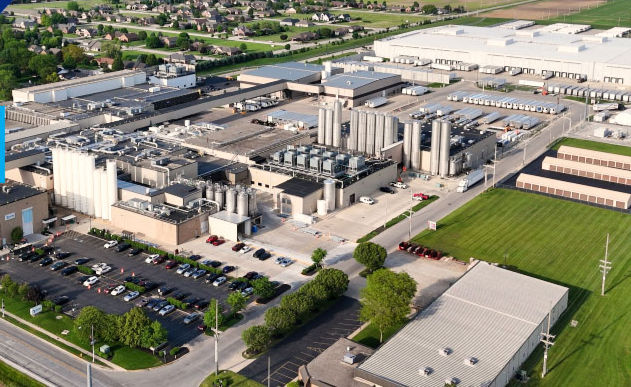
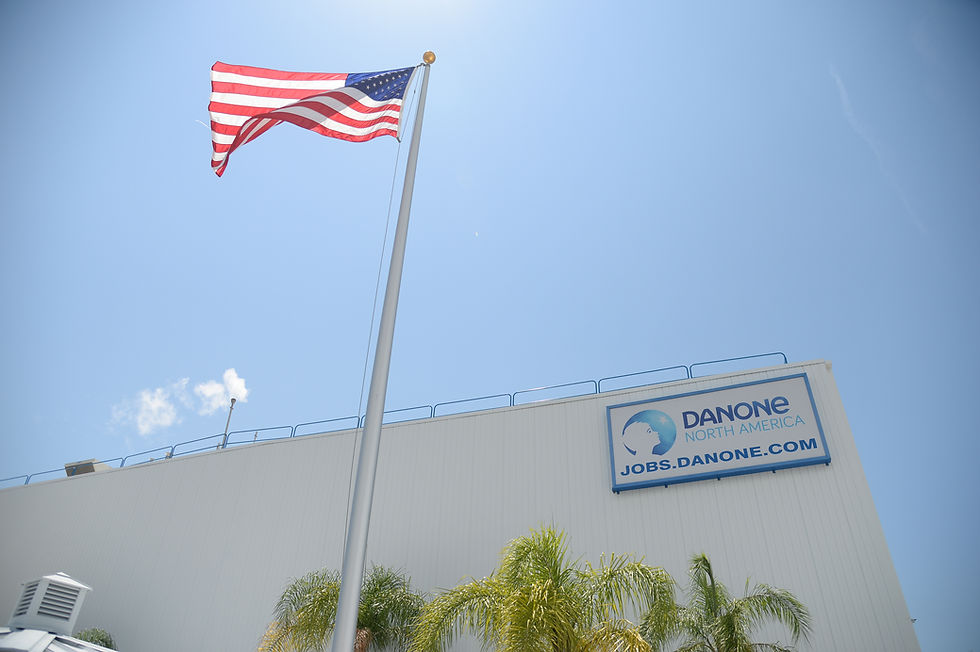
Danone North America has confirmed plans to close its production facility in Bridgeton, New Jersey, US, which manufactures products under its dairy-free Silk and So Delicious brands.
The company confirmed that the site will be closed on 4 August 2026, with approximately 114 employees set to be affected.
Danone’s 185,000-square-foot Bridgeton site was established in 2001, producing a range of dairy-free beverages including soya, almond, cashew and oat milk alternatives, as well as non-dairy creamers. According to the company’s website, it was the first soy protein extraction facility in the United States.
In a statement regarding the closure, Danone said: “This change is part of a broader effort to transform our network and enables our investment in critical capabilities across our core US manufacturing footprint, for the long term”.
As a result, production for Silk and So Delicious Dairy Free will be reassigned to other facilities within Danone’s network. These will include Mt Crawford, Virginia; Dallas, Texas; and Jacksonville, Florida.
“Decisions like this are never easy, particularly when they affect our people and local communities,” Danone told FoodBev. “We are managing this transition closely and providing comprehensive support to the affected employees."
Danone’s chief financial officer, Juergen Esser, noted that the company’s plant-based and coffee creamers business performance in North America has been “unsatisfactory” last year, during a conference call on the release of its FY 2025 financial results.
However, plant-based performed more strongly in Europe, with Esser reporting “solid competitive growth” of the Alpro portfolio alongside its core dairy brands.
The company has been leaning heavily into specialised nutrition, with functionality and health segments a key focus. In March this year, the company snapped up plant-based complete nutrition brand Huel in a €1 billion deal, while last summer it completed the acquisition of US plant-based medical nutrition brand Kate Farms.