The latest news, trends, analysis, interviews and podcasts from the global food and beverage industry





Nestlé has opened a new research and technology centre in western Switzerland, which the company describes as the first of its kind in the food industry.
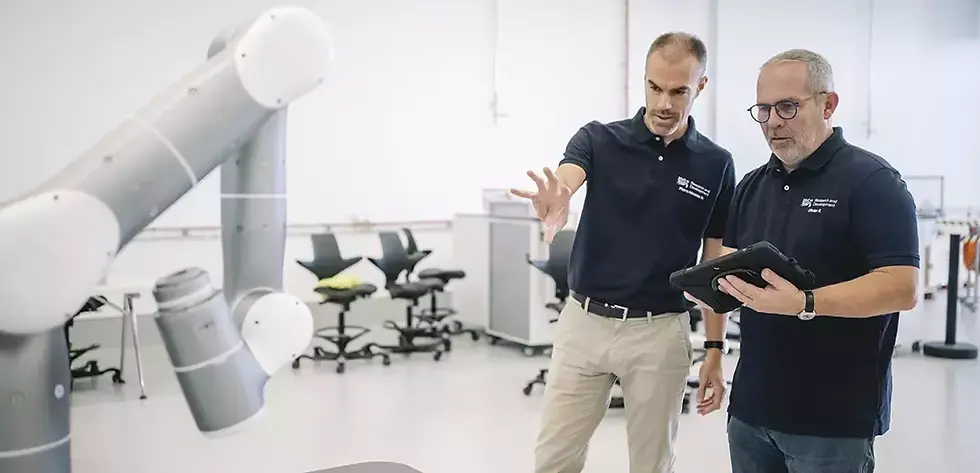
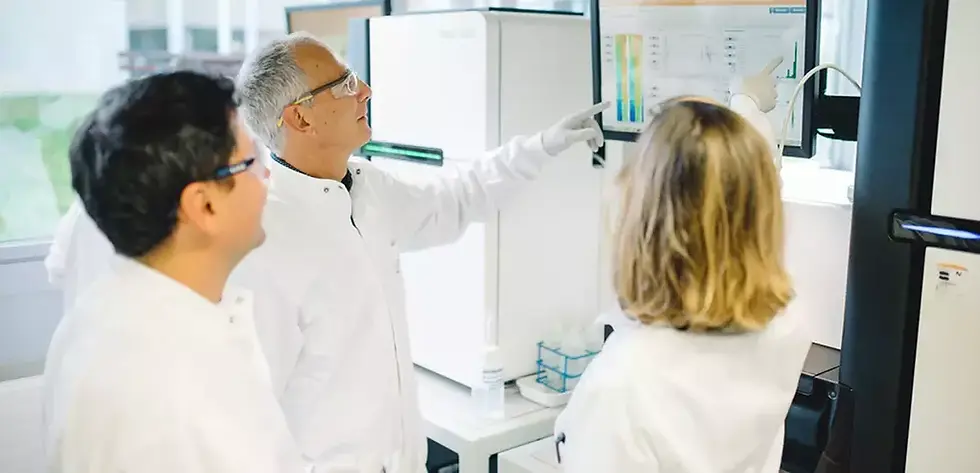
The new Deep Tech Centre, based in Orbe in the canton of Vaud, will focus on developing and testing emerging technologies, including artificial intelligence (AI), smart sensors and robotics, with applications spanning product development and manufacturing operations.
Around 60 people are expected to work at the facility initially, with the workforce set to grow as the centre develops. Nestlé is collaborating with technology partners including Microsoft and robotics specialist Boston Dynamics to explore new applications for the sector.
One potential application highlighted by the company is the development of coffee machines capable of adapting to individual consumer preferences. In manufacturing, the technologies are intended to improve product quality, increase operational efficiency and reduce the burden of repetitive or physically demanding tasks on employees.
New technologies developed at the centre will initially be tested in pilot plants in Orbe before potentially being deployed across Nestlé's global factory network.
The investment reflects the growing role of digitalisation and automation in food and beverage manufacturing, as producers look to improve productivity, optimise processes and respond to changing consumer expectations.
Nestlé said the centre will draw on Switzerland's established deep tech talent pool to accelerate the development and adoption of new technologies.
The facility will also complement the company's existing technology hub in Shenzhen, China, expanding its international network for research and technological development.
Through the initiative, Nestlé aims to accelerate innovation while supporting business growth and reducing production costs.
The use of intelligent sensors, AI and robotics could offer food manufacturers opportunities to improve consistency, streamline production and make better use of resources, while allowing employees to focus on tasks requiring greater expertise and decision-making.