The latest news, trends, analysis, interviews and podcasts from the global food and beverage industry



Danish biotech start-up 21st.Bio has filed a European Union (EU) Novel Food application for its bovine beta-lactoglobulin (BLG), a milk protein that the company produces without animal input using precision fermentation technology.
The filing follows regulatory approval for sales in the US, obtained in October 2025, with the company now offering the same technology to the European market.
Once approved, 21st.Bio said its solution will support resource-efficient dairy protein production and sale in Europe amid ongoing supply constraints impacting the whey protein market. BLG is the predominant protein in whey protein from milk, valued for its high-quality amino acid profile and versatility.
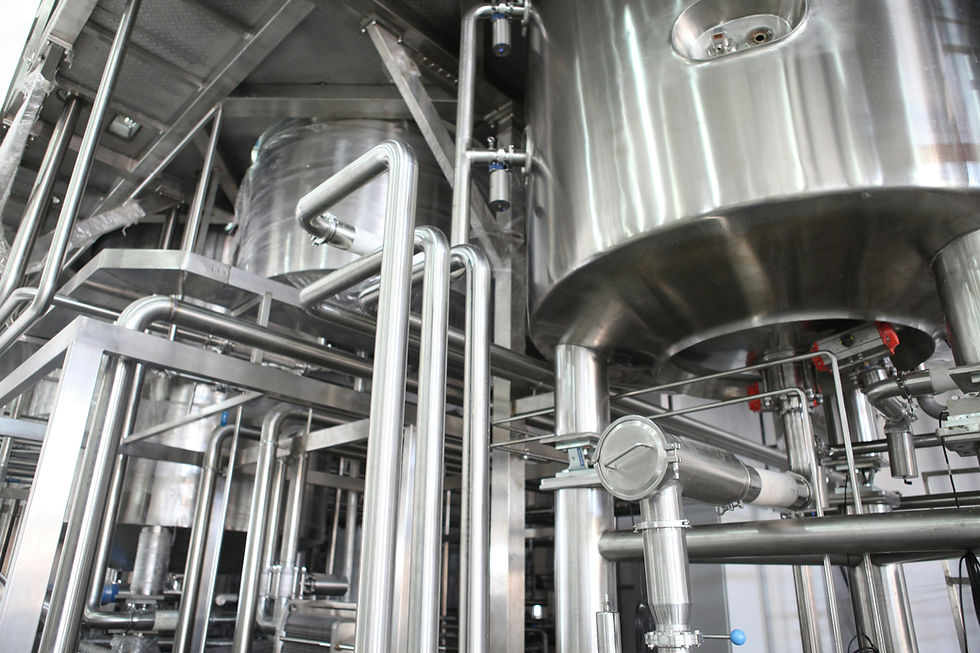
Precision fermentation involves ‘training’ microorganisms to produce specific targeted ingredients, such as high-value proteins, in bioreactors. It can be used to produce a wide range of traditionally animal-derived ingredients, independent of animal agriculture.
21st.Bio’s BLG Essential+ solution is produced using Aspergillus oryzae, a microorganism used for centuries in traditional Japanese food fermentation, including soy sauce and miso.
The production platform has been developed and refined by fellow biotech specialist Novonesis, and has been licenced and further advanced by 21st.Bio for efficient alt-protein production at scale.
A 2025 peer-reviewed study in Applied Microbiology and Biotechnology described the strain lineage as the first mycotoxin-free A. oryzae lineage for industrial production of alternative and novel proteins.
José Arnau, chief of strain engineering and regulatory affairs at 21st.Bio and co-author of the study, said: “This is a well-characterised production platform with consumer safety designed into the strain”.
“Advanced genome analyses allow regulators to assess safety at strain level with far greater precision, and for proven platforms producing proteins that match those found in nature, the regulatory requirements should be lower and the safety evaluation more straightforward... and faster.”
While Europe has a strong precision fermentation and alternative protein ecosystem, 21st.Bio noted that preparing a full EU dossier required ‘years of scientific and procedural work,’ with subsequent approval processes and timelines making it difficult for companies to plan investments, facilities and launch products in the region.
The company is calling for a fast-track pathway for ‘well-characterised, nature-identical’ food proteins produced using host strains and technologies with demonstrated records of safe use. This, it believes, will preserve Europe’s high safety standards while giving applicants a clearer timetable.
Thomas G Schmidt, co-founder and CEO of 21st.Bio, said: “Europe has the science, the companies and the industrial heritage in precision fermentation to lead the wave of healthy and nutritious food production”.
“What Europe still needs is a home market that allows industrially proven technology to move from laboratories into fermentation factories built in Europe. A predictable, science-based route to market can strengthen food resilience, attract industrial investment and ensure that European innovation is commercialised in Europe.”
Top image: © 21st.Bio

Related posts